
There was a time when luxury announced itself. It arrived in the form of a handcrafted Italian handbag, a Swiss watch, a first-class boarding pass or a suite overlooking the Dubai coast. Luxury was something you acquired. It was visible, aspirational and, more often than not, designed to be admired.
Then almost without us noticing, something extraordinary happened. Luxury suddenly became almost invisible, quiet. It now lives in a sleep score, a blood test, a personalised nutrition plan and a biological age that is younger than the one printed on your passport. The symbols of success have shifted from what we own to how we live. In an age where time has become our scarcest commodity, the greatest luxury is no longer excess. It is vitality.
The world’s wealthy are no longer competing over who owns the rarest watch. They are competing over who can remain healthy, energetic and mentally sharp for the longest time. Somewhere along the way, luxury stopped asking, “What do you own?” It began asking, “How well are you living?” That shift is now quietly reshaping industries worth trillions of dollars.
The Business of Living Well
According to the Global Wellness Institute, the global wellness economy reached US$6.8 trillion in 2024 and is projected to approach US$10 trillion by 2029, making it one of the fastest-growing sectors in the world economy. That’s larger than the GDP of most countries. Malaysia’s own wellness economy was valued at approximately US$31.8 billion in 2023. With demand for preventive healthcare, wellness tourism, fitness, healthy nutrition and longevity services accelerating, industry observers expect the sector to comfortably exceed US$45 billion by the end of the decade, making wellness one of Malaysia’s fastest-growing lifestyle and economic sectors.
But the numbers only tell part of the story. The real transformation isn’t economic. It is cultural.
Luxury has always mirrored society’s deepest aspirations. In the 1980s, it celebrated wealth. In the 1990s and early 2000s, it became about exclusivity and experiences. Today, aspiration has evolved once again. People are no longer investing solely in possessions. They are investing in possibility. The possibility of watching their children grow older. Building another business at seventy. Travelling well into their eighties. Remaining mentally sharp. Living independently. Longevity, once a medical ambition, has become a lifestyle aspiration.
The timing isn’t accidental. The pandemic fundamentally changed our relationship with health. At the same time, wearable technology has made our bodies measurable, artificial intelligence is accelerating personalised healthcare, and ageing populations across Asia are forcing governments, businesses and consumers to think differently about longevity. Wellness has moved beyond aspiration. It has become preparation—for longer lives, healthier ageing and a future where prevention matters as much as treatment.
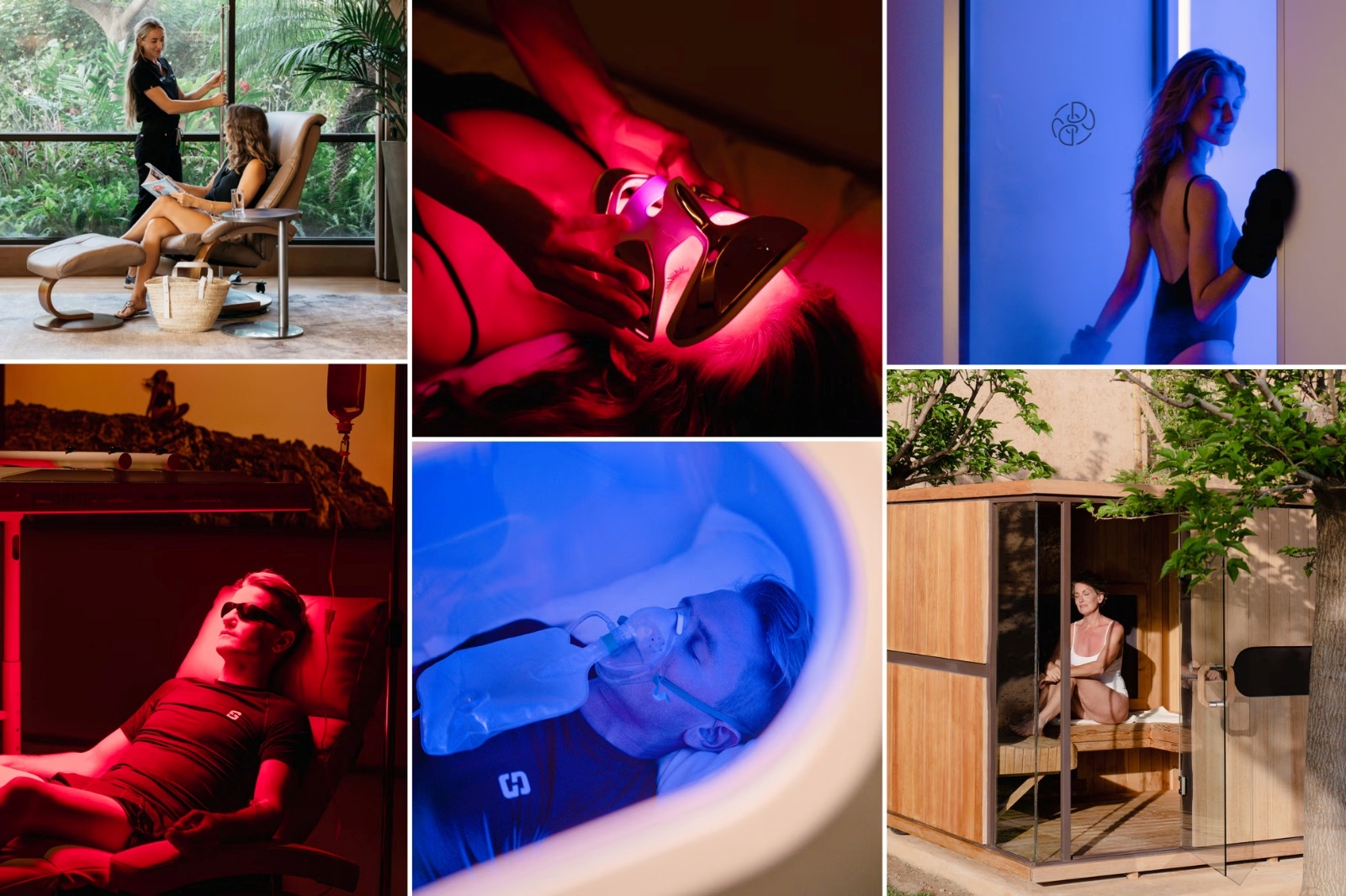
The Science Behind the Shift
If the luxury industry is embracing wellness, it is because healthcare itself is undergoing one of the biggest transformations in modern history.
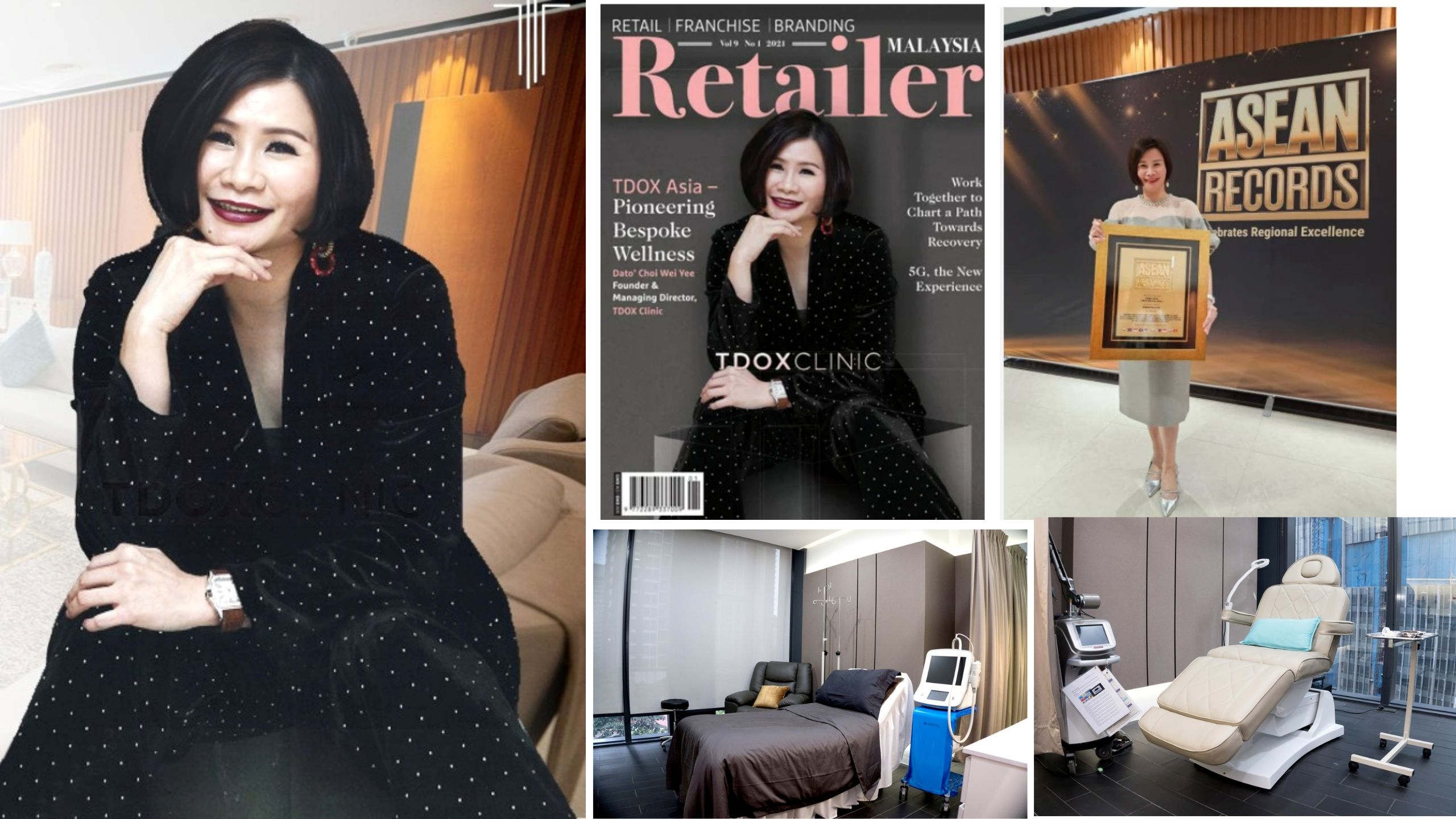
According to Dato’ Choi Wei Yee, Founder of TDOX Clinic Malaysia, medicine is no longer centred solely on treating disease. It is increasingly focused on preserving health before illness takes hold. “We are witnessing a fundamental shift in healthcare—from treating disease to preserving health,” she says. “Longevity is no longer about simply living longer; it is about living healthier, stronger and with purpose for as many years as possible.”
That distinction matters. For decades, healthcare measured success by life expectancy. Today, the conversation has shifted towards healthspan—the years we remain physically active, mentally resilient and free from chronic disease. Breakthroughs in regenerative medicine, precision medicine, artificial intelligence, genomics and advanced diagnostics are making it possible to personalise healthcare in ways unimaginable just a generation ago. Perhaps that is why luxury brands are paying such close attention. The future is no longer about extending life at any cost. It is about improving the quality of the years we already have.
Luxury Is Learning a New Language
Perhaps nowhere is this transformation more visible than within the luxury industry itself. The world’s leading hotel brands are redesigning entire guest experiences around sleep optimisation, recovery, diagnostics and personalised wellness. Private clubs increasingly feature recovery suites, longevity consultations and performance programmes alongside fine dining and concierge services. High-end residential developments market air quality, green spaces and wellness amenities with the same enthusiasm they once reserved for infinity pools.
Luxury is no longer selling indulgence. It is selling resilience. Not escape from everyday life, but the ability to enjoy more of it.
Malaysia’s Quiet Wellness Revolution
For many years, conversations about longevity belonged to places like Switzerland, California or Singapore. Today, Malaysia is writing its own chapter. The country’s wellness economy is expanding rapidly, fuelled by growing consumer awareness, better access to preventive healthcare and a new generation of entrepreneurs who see health not as a trend, but as a way of life.
Walk through Kuala Lumpur today and the signs are unmistakable. Padel clubs have become social hubs. Run clubs are replacing networking breakfasts. Cold plunges sit alongside cafés. Boutique Pilates studios, longevity clinics and recovery spaces are no longer niche concepts but increasingly part of the urban landscape. Malaysia is not simply following a global movement. It is adapting it to its own culture.
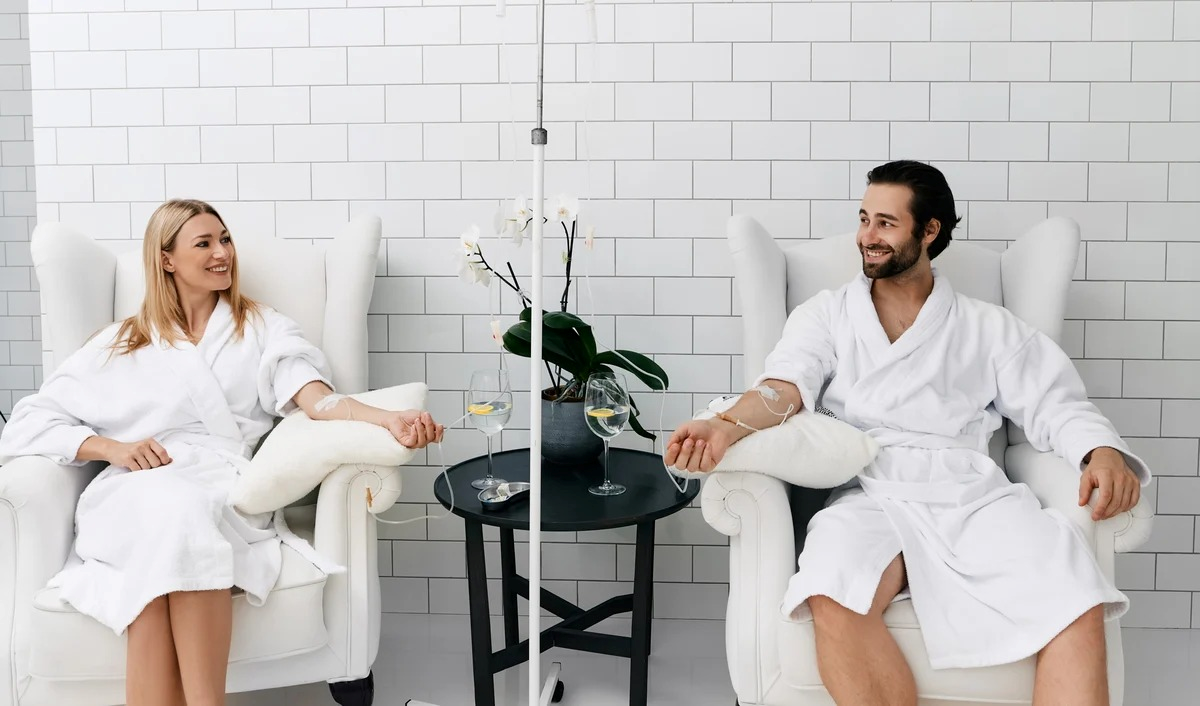
That cultural shift is increasingly reflected inside clinics as well. Dato’ Choi says Malaysians are beginning to approach health differently, particularly after the pandemic. “People no longer want to wait until they become sick,” she explains. “They want to understand their biological age, optimise their health and slow the ageing process before disease develops.” She has observed a growing demand for comprehensive health screenings, nutritional optimisation, hormone balancing, genetic assessments and personalised wellness programmes—not as reactive treatments, but as long-term investments in quality of life.
“Good health is not an expense,” she says. “It is one of the best investments people can make for themselves and their families.” It is a remarkable shift in mindset. For generations, healthcare was something we turned to when something went wrong. Today, increasingly, it is becoming something we invest in while everything is still right.
Success Has Been Redefined
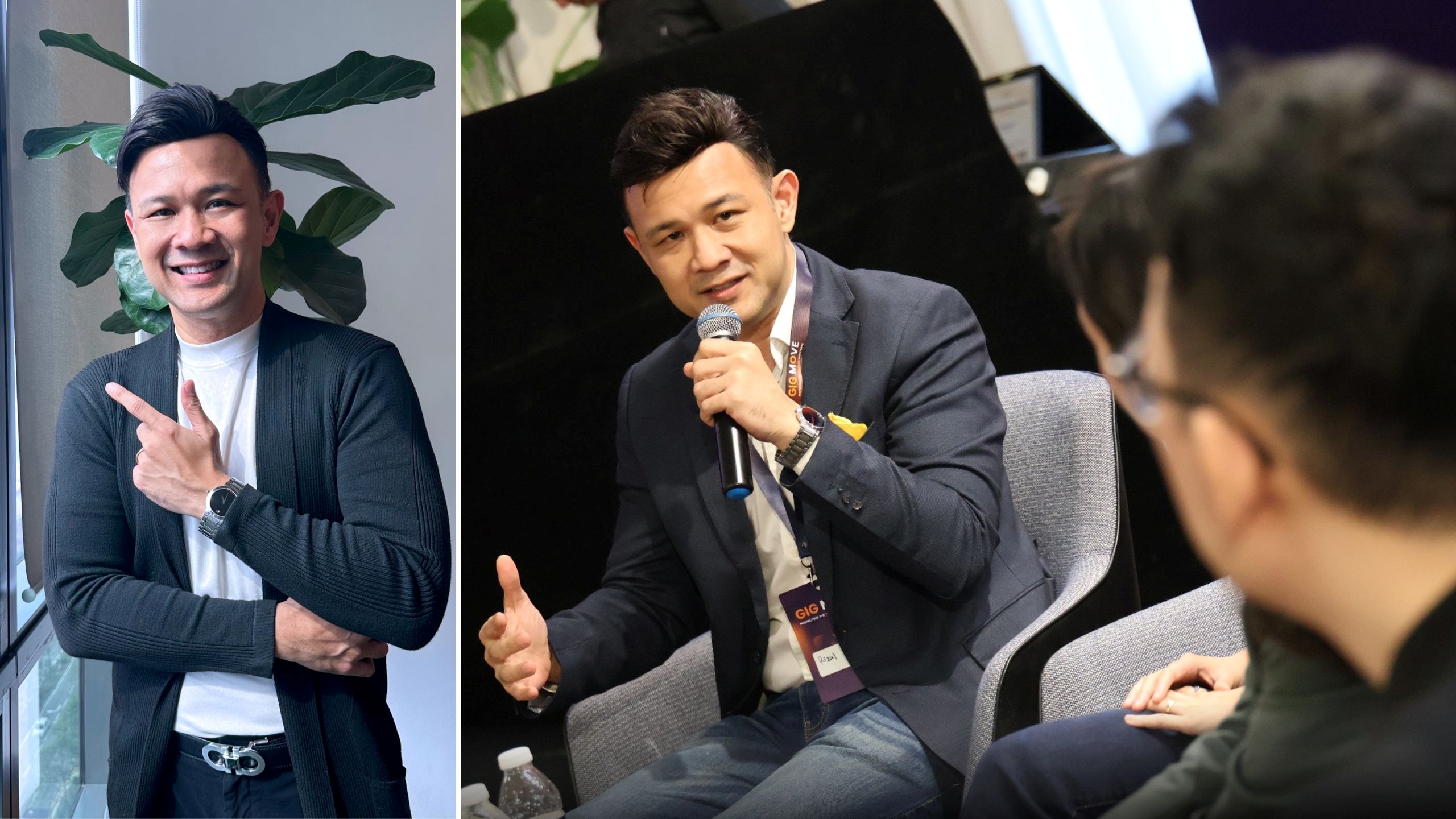
Few people have observed that shift more closely than Rizal Kamal, Founder of ThriveFest. “We have redefined what success looks like,” he tells me. “It used to be about the car you drove or the bag you carried. Today, one of the biggest status symbols is your health.”
It is a deceptively simple observation. Luxury has always reflected aspiration. If luxury brands are investing heavily in wellness today, it is because consumers have quietly redefined what they aspire to. Energy has become aspirational. Mental clarity has become aspirational. Healthy ageing has become aspirational. Rizal believes this evolution is rooted in knowledge as much as desire. “We know so much more today about sleep, nutrition, recovery and longevity than we did before,” he says. “Wellness isn’t seen as a luxury anymore. It’s become one of the foundations of living a great life because it affects your energy, relationships, work and happiness.”
Perhaps the most profound shift is that wellness is no longer something people pursue after losing their health. It has become something they invest in while they still have it.
Community Is the New Country Club
For decades, luxury was defined by exclusivity. Membership. Private access. Invitation-only spaces. Ironically, wellness appears to be moving in the opposite direction. Its greatest currency is community. Whether it is a Saturday morning run club, a Pilates social, a padel league or a wellness festival, people increasingly want to pursue health together.
Rizal believes that is no coincidence. “Health is a community effort,” he says. “Communities set the standard, share knowledge and make healthy living feel normal.”
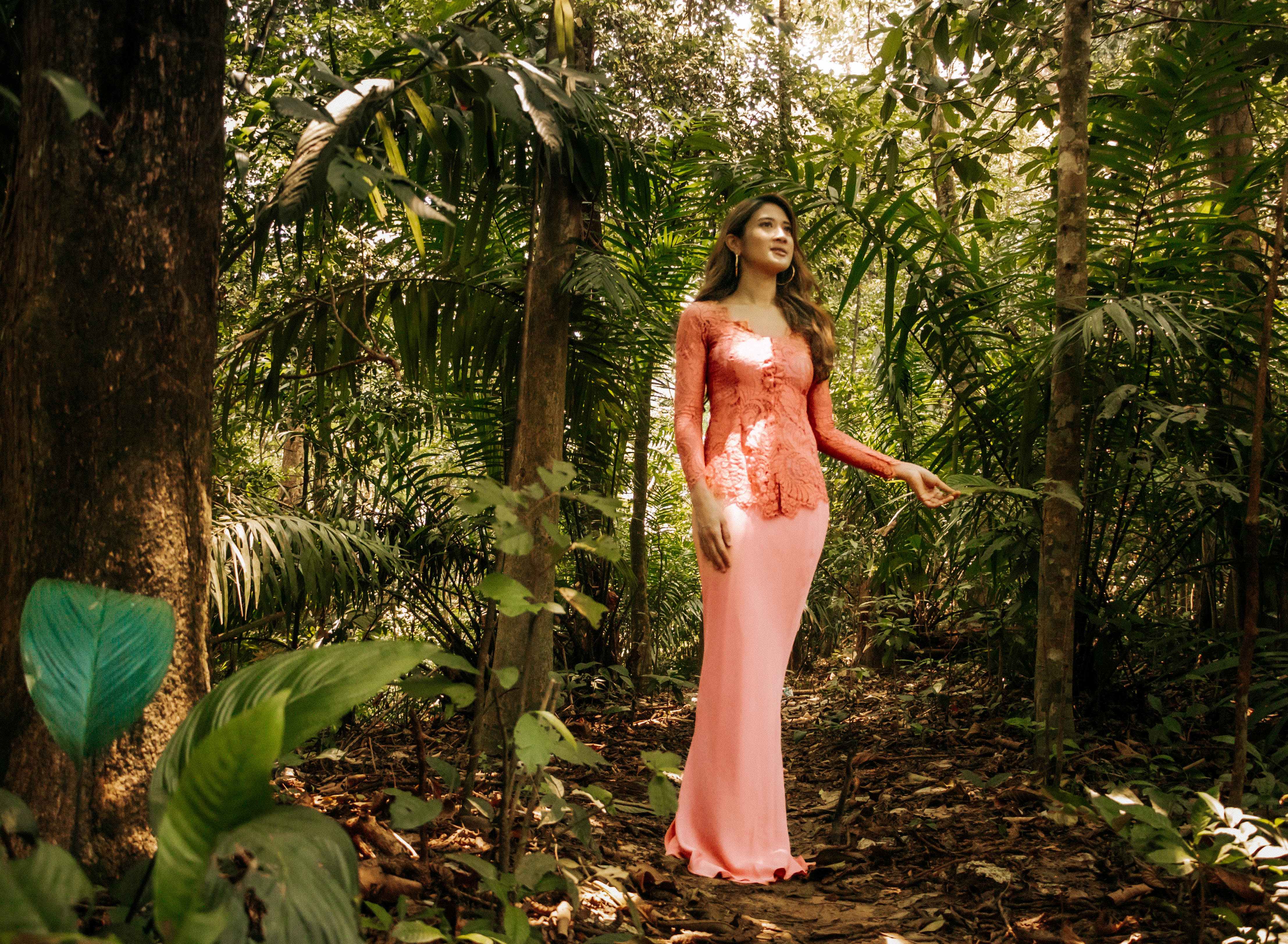
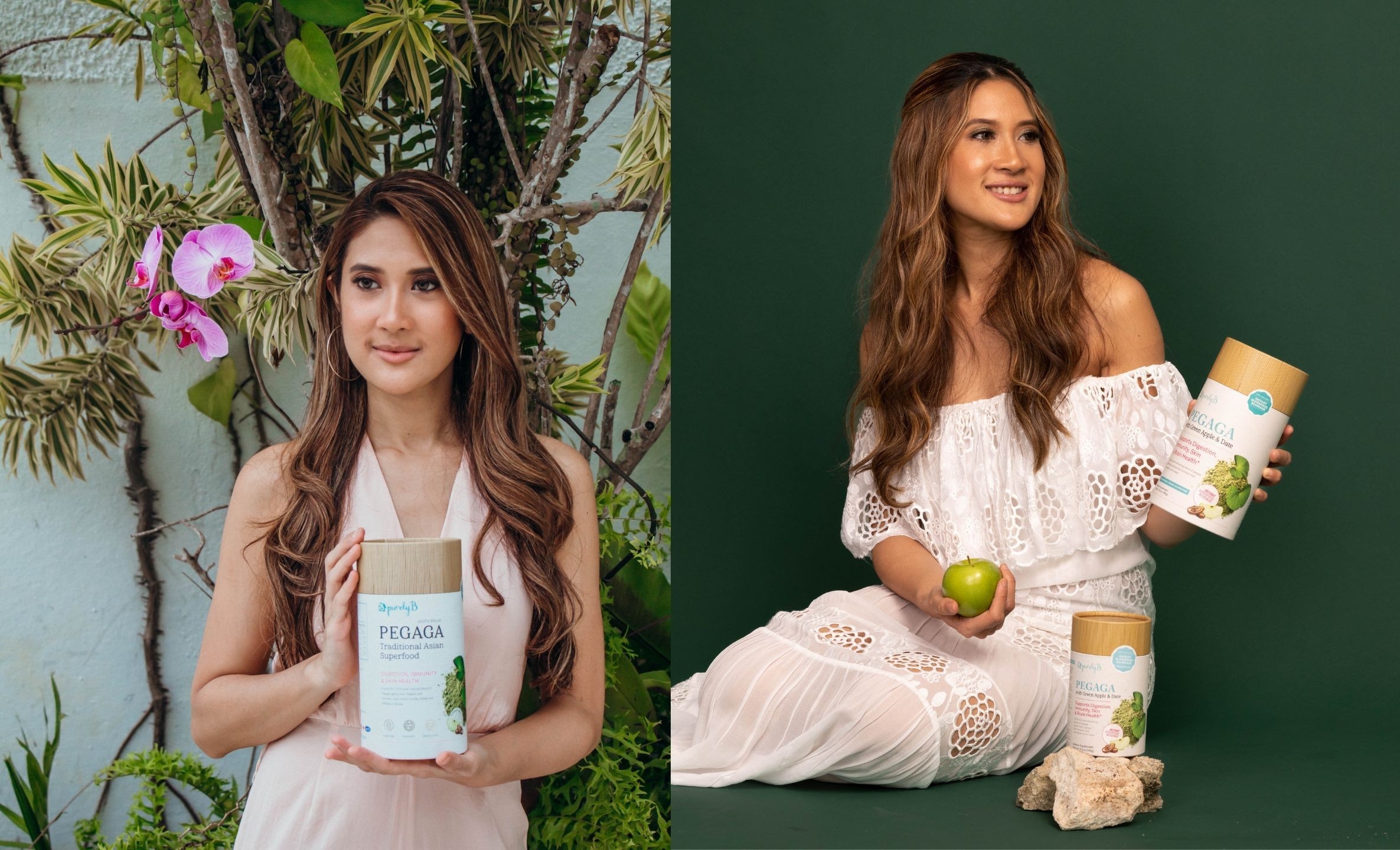
His insight is echoed by Jesrina Arshad, Founder of PurelyB, who has spent recent years building her business between Kuala Lumpur and Los Angeles—two cities at different stages of the same wellness evolution. For Jesrina, wellness has become one of the defining social movements of modern life. “In Los Angeles, people are choosing run clubs over nightclubs, pickleball over partying and social gatherings with beautiful alcohol-free drinks instead of cocktails. Feeling good has become something people are genuinely proud of,” she says. What excites her is seeing the same shift begin to emerge in Malaysia. “Wellness retreats here are no longer just about fitness,” she explains. “They include nourishing food, mindfulness, creativity and genuine human connection. People don’t just want to exercise. They want experiences that leave them feeling inspired.”
That desire reflects a broader cultural change. For years, wellness was often marketed as discipline. Today, it is increasingly about belonging.
Can Longevity Become the Next Great Luxury?
For all the enthusiasm surrounding wellness, one important question remains: will longevity become another luxury reserved for those who can afford it? Or can it become part of everyday healthcare?
Dato’ Choi is optimistic. While many advanced longevity programmes remain premium offerings today, she believes history shows that medical innovation eventually becomes more accessible. “What is considered premium today often becomes the standard of care tomorrow,” she says. Her vision extends beyond individual health. Dato’ Choi believes Malaysia is uniquely positioned to become one of Asia’s leading destinations for preventive and regenerative medicine, combining internationally trained specialists, modern healthcare infrastructure, competitive costs and a thriving hospitality industry. “The real luxury is not owning expensive products,” she reflects. “It is having the health, vitality, independence and energy to enjoy life with the people you love.”
It is a sentiment that perfectly captures the transformation unfolding around us. Luxury is no longer defined by accumulation. It is increasingly by how fully we are able to live.
Rizal Kamal reminds us that wellness becomes sustainable when communities embrace it together. Jesrina Arshad believes the next generation wants wellness to be natural, joyful and woven into everyday life. Dato’ Choi Wei Yee sees healthcare itself moving towards prevention, longevity and healthspan.
Three different industries. Three different perspectives. One unmistakable conclusion. Luxury has always evolved to reflect what society values most. Today, what we value isn’t simply success. It is vitality. Not merely living longer, but living better. Perhaps that’s why luxury is suddenly obsessed with wellness. Because after decades of pursuing the symbols of success, we’ve come to understand that the greatest luxury was never something we could wear. It was always the health to enjoy the life we’ve worked so hard to build.
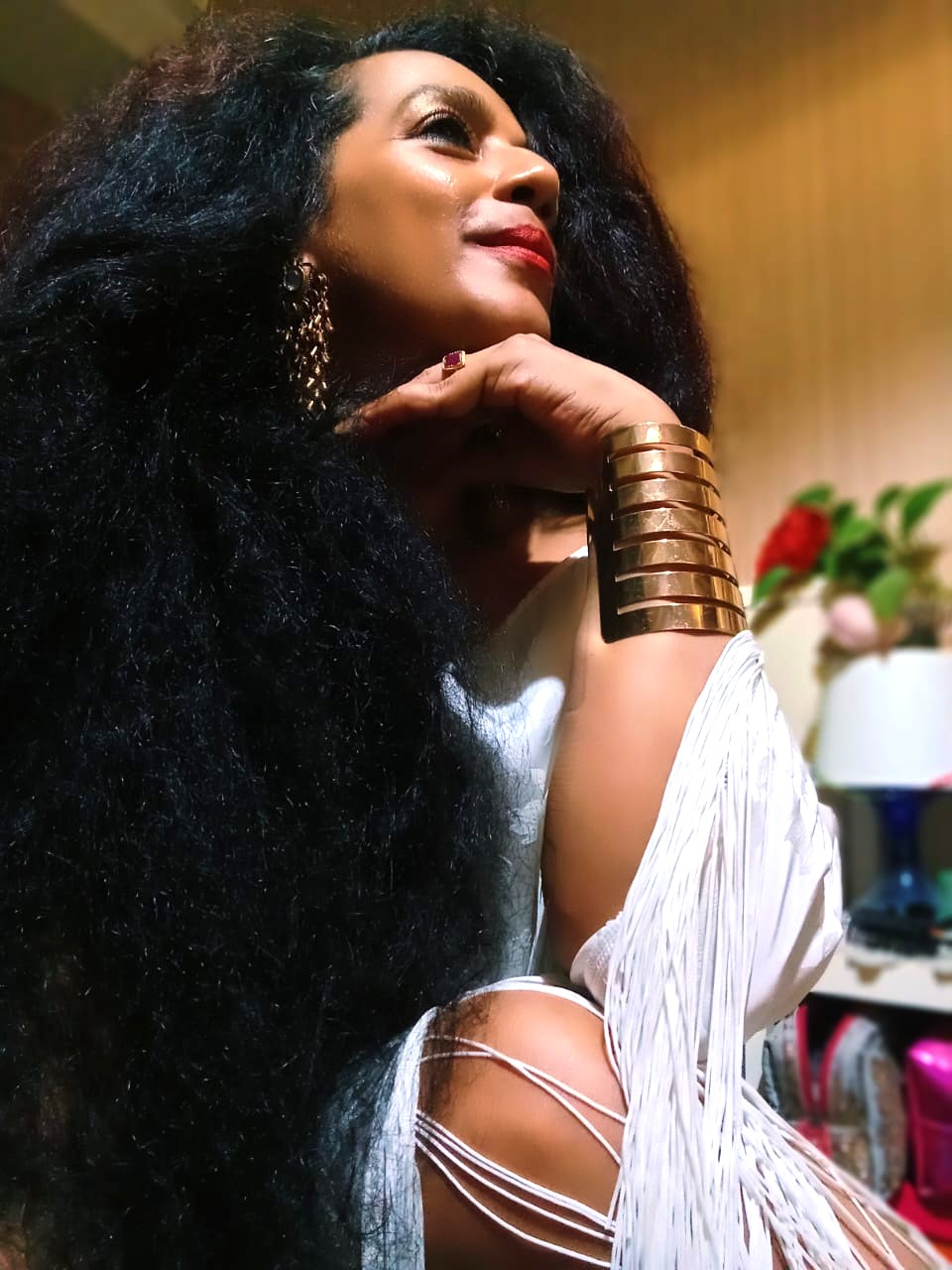
Ethel Da Costa is an award-winning Lifestyle Journalist-Editor, Author, Media Personality, Founder & CEO of Think Geek Media shaping conversations in fashion, lifestyle, music, entertainment, and culture across India, Malaysia, Asia and beyond.
Email: etheldacosta@gmail.com. Instagram @etheldacosta
COMMITTED TO ETHICAL EXCELLENCE: Read our official Code of Ethics for Aesthetics advocacy for transparency, patient safety, and high-standard in Malaysia and Asia

Yes, this hits every grey cell I have and also the billions forming my physical self! As a purist it’s a hardcore embedded philosophy and also my living, organic truth …it IS my daily endeavour to remain physically mentally emotionally and intellectually astute for as long as I live. For this I’ve put diligent systems in place – non-negotiable routines many might find utterly boring but for me they are my compass. And it’s nothing to do with an extraordinary expense, for running just a pair of shoes and for the gym few dollars anybody can afford if they care enough about their health… The nutrition when focused is simply repetitive so again not a big budget needed for eating well…so yes focus on your health…this IS the biggest flex!
Wonderful. Self discipline is truly self love. Keep it up.