
There are some stories you choose to write. And then there are stories that quietly choose you.
Ever since I wrote Is Beauty the New Cultural Currency?, I have found myself returning to the same burning question while moderating discussions on identity, listening to aesthetic professionals, or scrolling through my social media feed as yet another flawless, uncanny face glides across my screen.
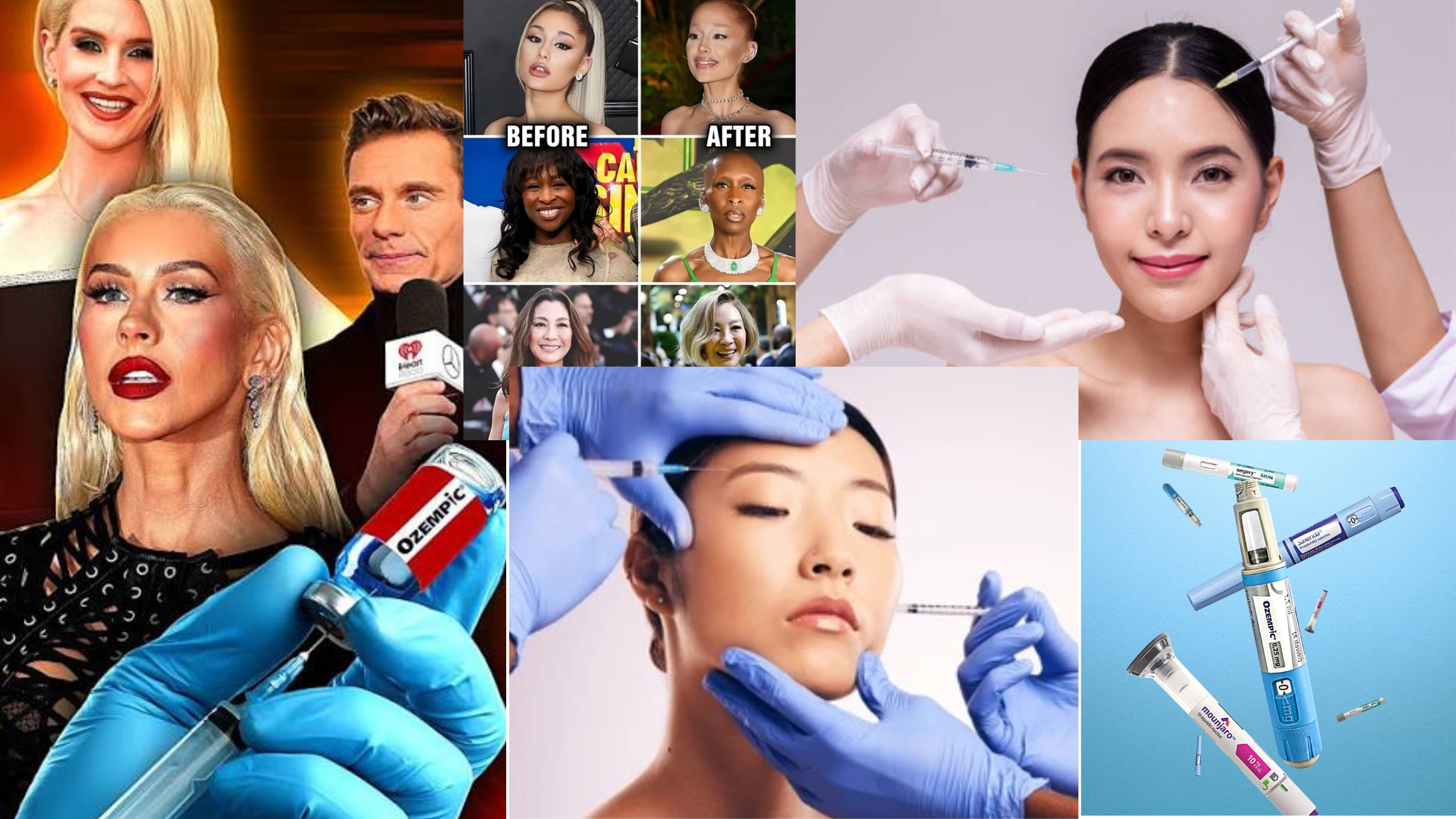
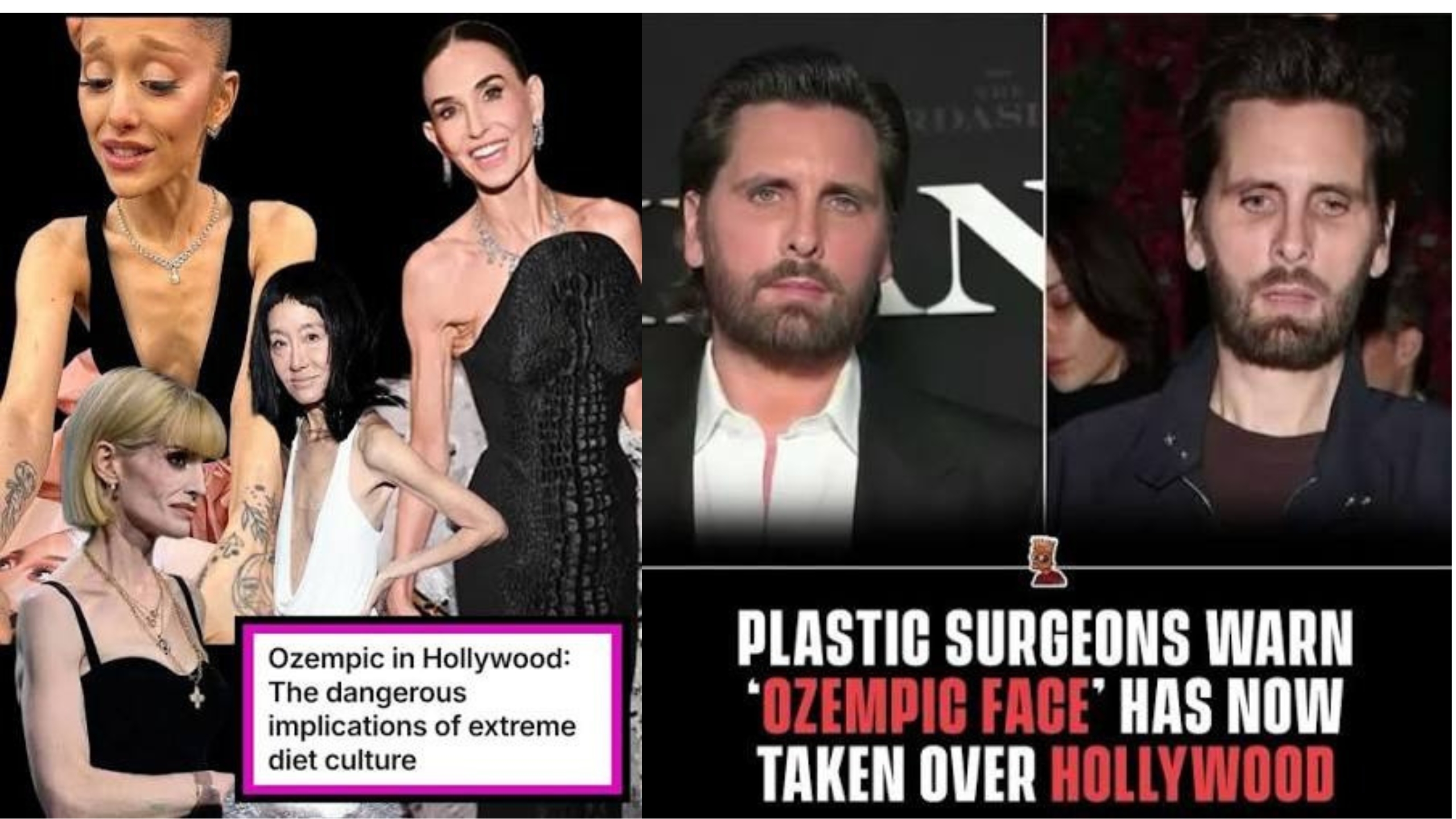
It does sometimes keep me awake at night, asking – When did our conversation about beauty stop being an expression of identity and start becoming a template? As I meet more women who chase the algorithmic “ideal”—moulding their bodies through Ozempic or Mounjaro, yet remaining deeply unhappy and experiencing a tragic loss of self—the contradiction demands a deeper look.
Perhaps my curiosity stems from where my own journey began. As a young teen growing up in Kuwait, beauty arrived in old edition glossy pages of Vogue, Marie Claire, Harper’s Bazaar, Smash Hits, No 1 —whatever my dad could lay his hands on in the dusty souk markets of our town. Heavily censored images notwithstanding, I devoured every issue, scrap booking the photos devotedly, treating them as my early manifestation journals. Musicians, actors, travel, styles and haircuts, my scrap books were my escape pods. I wasn’t just mesmerized by impossibly beautiful people; I was captivated by possibility. A glimpse of the world waiting for me to step into when I grew up. Those pages taught me that beauty brought about confidence, creativity, success, professional and personal evolution. Fashion wasn’t just clothing; it was an expression of personality, identity and culture.
Three decades later, after a lifetime in journalism, lifestyle media, fashion, travel and strategic communications, I look at today’s digital landscape and scream: Welcome to the era of the Clone Wars.
The New Cultural Currency
Malaysia has quietly become one of Southeast Asia’s leading destinations for aesthetic medicine. Our clinics are sophisticated, our medical tourism is thriving, and the Ministry of Health has done an exceptional job structuring clinical compliance. But technical excellence alone is no longer enough. Every great profession eventually reaches a defining moment where it must protect its soul. Medicine has the Hippocratic Oath. Journalism has its code of ethics. Yet, aesthetic medicine operates in a unique, highly commercialized grey zone where science intersects with commerce, psychology, and vulnerable self-image.
Today, beauty lives in our algorithms. It is filtered, edited, injected, monetized, and endlessly compared. We are the first generation in history to wake up every morning and measure our real, breathing selves against digitally manufactured, AI-altered versions of humanity. Beauty has become our newest cultural currency (read my opinion piece here)… And like every currency, it demands fierce governance and sharp vigilance. Not because aesthetic medicine is failing, but because its technical success is outrunning its conscience.
As a journalist, I wasn’t interested in asking doctors which high-tech machine would define the future. I wanted to know something far more profound: What values should define the profession?
The Global Wild West: Backroom Beauticians and “Botched” Realities
While we debate the philosophy of aesthetics, a terrifying underworld of unregulated practitioners is operating right under our noses. This isn’t just a local issue; it is a global epidemic of backroom treatments, counterfeit products, and unlicensed operators hiding behind slick Instagram grids.
Look at the United Kingdom—long considered a high-income medical hub, yet structurally a regulatory wild west for years.
- The Non-Doctor Monopolization: A landmark study by University College London (UCL) revealed that a staggering 68% of cosmetic practitioners administering injections like Botox in the UK were not medical doctors, instead consisting of non-medical aestheticians and beauticians.
- The Adverse Cost: A secondary UCL study found that 69% of respondents experienced long-lasting adverse physical and psychological effects, including chronic pain, deep anxiety, and debilitating headaches.
- The Botulism Crisis: The lack of oversight escalated into a full-blown emergency when the UK Health Security Agency issued a public health alert for botulism following a spike in hospitalizations linked to unlicensed products and unqualified injectors.
The UK government had to step in with the Health and Care Act to scramble an emergency national licensing scheme to criminalize unlicensed procedures.
The Malaysian Battlefield: 1,000+ Complaints and Counting
If you think Malaysia is immune to this crisis, wake up. The commercialization of beauty has driven the industry into a dangerous grey zone where technical success is actively outrunning its conscience.
According to data from the Malaysian Ministry of Health (MoH):
- The Surge in Casualties: Since 2021, the MoH has received more than 1,020 formal complaints involving healthcare and aesthetic medical services provided by unregistered or unlicensed premises.
- The Crackdown: Regulators have conducted 320 enforcement raids and prosecuted 70 cases against these illicit “beauty salons” or wellness boutiques.
- The Legal Hammer: Under the Private Healthcare Facilities and Services Act 1998 (Act 586), providing medical procedures in an unsanctioned, unlicensed facility is a severe crime. Offenders face catastrophic legal penalties, including fines up to RM500,000, imprisonment for up to six years, or both.
Yet, the influx of illegal tech, unlicensed lasers, and black-market injectables continues to slip across borders, targeting a young, impressionable demographic chasing cheap, fast “tweakments.”
Redefining ‘Harm’ in the Digital Age
The answers I found from two of the industry’s leading minds I spoke to didn’t focus on technology. They focused on restraint, responsibility, and humanity.
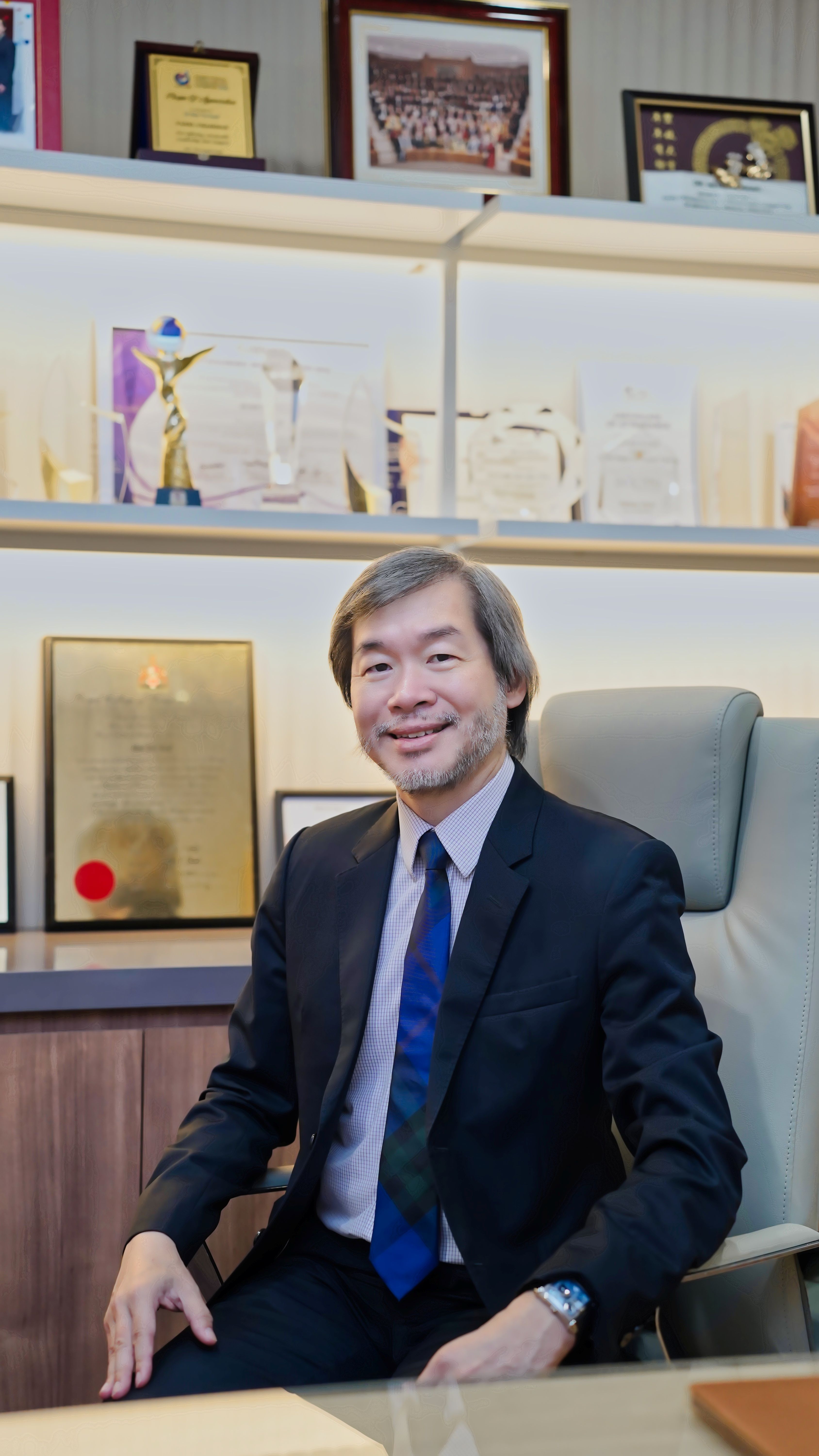
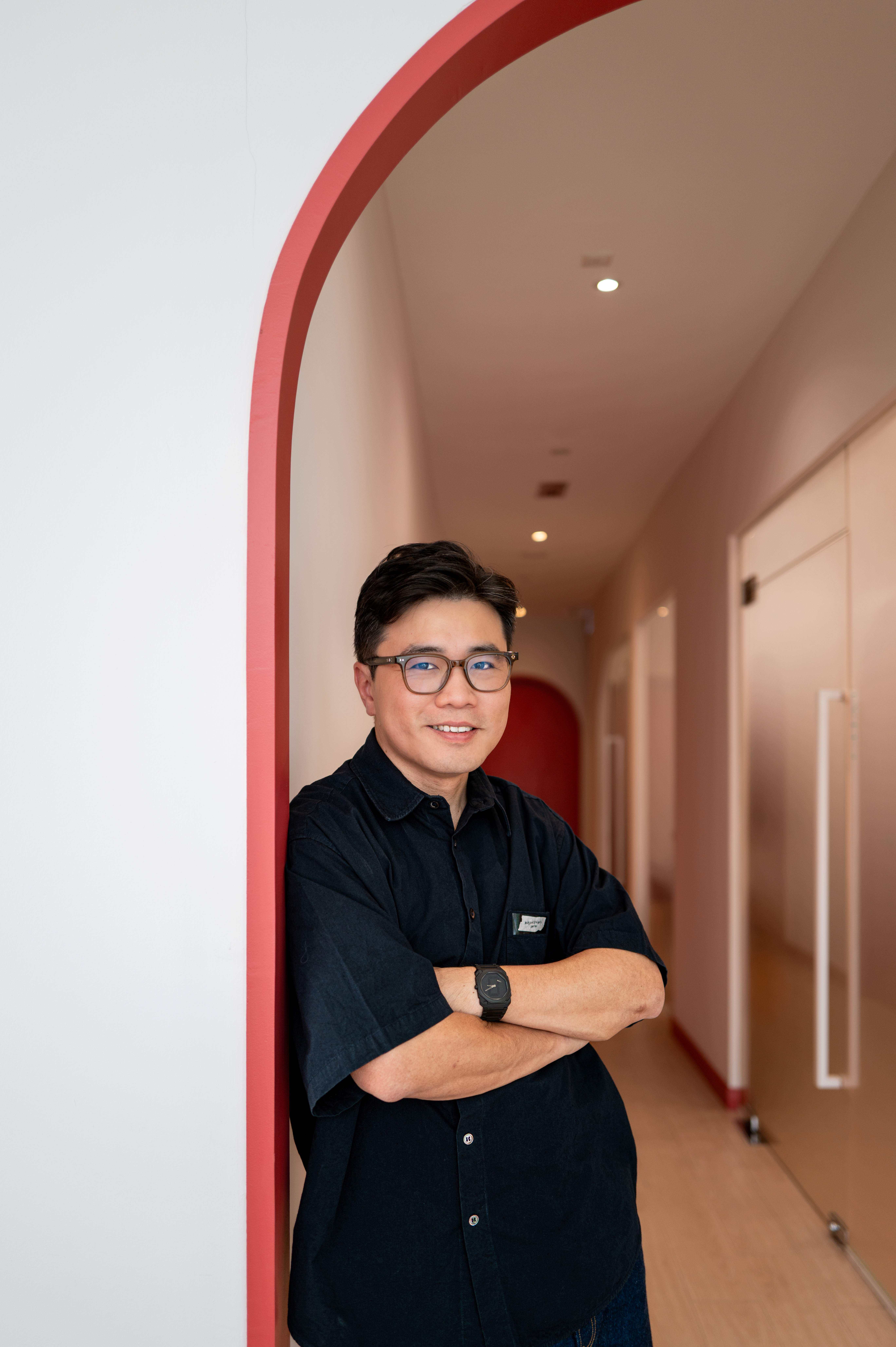
Dr. Hew Yin Keat, a pioneering force who opened the doors of The M∙A∙C∙Clinic thirty years ago, drops a truth bomb that should be painted on the walls of every aesthetic centre: “As physicians, our first oath is to ‘do no harm,’ and in modern aesthetics, harm is increasingly psychological and social, rather than physical.”
Dr. Hew is actively calling for a dedicated National Ethical Code for Aesthetic Medicine in Malaysia. Why? Because while the current Letter of Credentialing and Privileging (LCP) framework regulates mechanical safety and assesses whether a doctor knows how to avoid a physical complication, it does not assess whether he/she should be performing or promoting a procedure in the first place, its long term safety, or whether they address the psychological readiness of the person under the needle.
In a hyper-visual culture, the line between wanting a subtle confidence boost and chasing an unfixable internal void has completely blurred. Dr. Hew argues that true medical non-maleficence must expand to include objective psychological gatekeeping—including mandatory screening for Body Dysmorphic Disorder (BDD).
“The code must establish that treating a patient with unaddressed body dysmorphia or severe emotional vulnerability constitutes a breach of non-maleficence,” Dr. Hew asserts. Success should no longer be measured by the number of procedures performed, but by the number of patients protected—those defining moments when a doctor has the ethical courage to say “no.”
Resisting the Clone Face
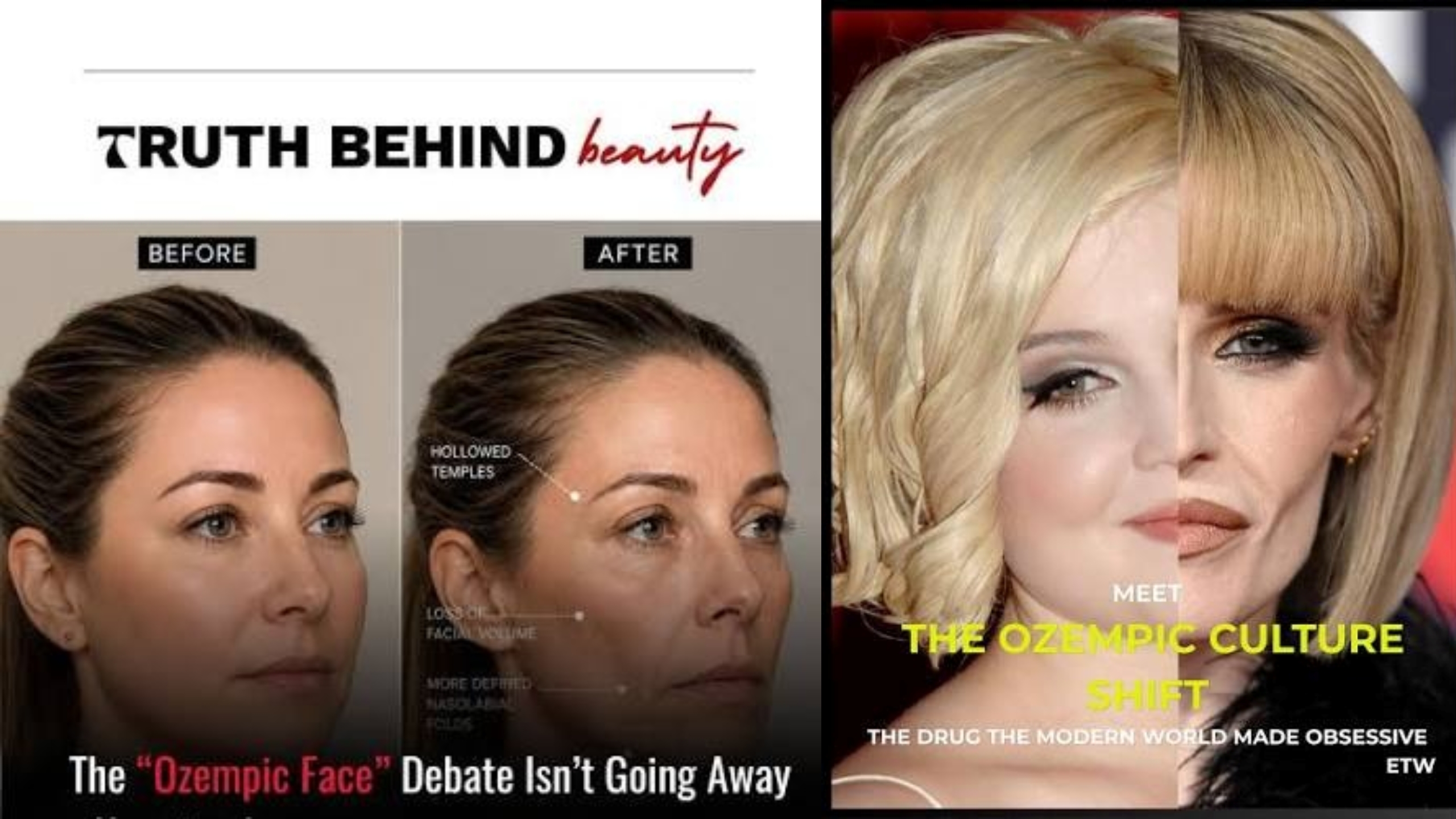
When aggressive commercial marketing actively manufactures an insecurity to sell a treatment, individuality becomes the first casualty. We see it everywhere: the cookie-cutter “Instagram face” featuring over-filled lips, hyper-projected cheeks, and frozen expressions that completely strip away personal and cultural character.
Dr. Hew Yin Keat pulls no punches when addressing this aesthetic distortion, noting that the rampant trend of hyper-projection and overly filling features has become one of his absolute greatest professional pet peeves. He argues that a shared code must actively combat this facial homogenization, pushing back against the distorted templates that strip away a person’s heritage and natural symmetry.
For a country as beautifully diverse as Malaysia, this is a cultural crisis. Our aesthetic philosophy should celebrate our magnificent tapestry of Malay, Chinese, Indian, and indigenous facial structures—not flatten them into a single, globalized digital template. Furthermore, we need strict safeguards to shield Gen Z and Gen Alpha from aggressive, preventative marketing tactics that pathologize the natural aging process before their facial anatomy and sense of self have even fully matured.
Dr. Ong Jin Khang of The Retreat Clinic shares a brilliant clinical test that cuts straight through the algorithmic noise: “A filter doesn’t enhance your face. It replaces your actual bone structure and proportions with someone else’s—it’s a mask.”
When a patient walks into his clinic carrying a photograph of a celebrity or an influencer, Dr. Ong doesn’t immediately talk techniques. Instead, he asks a deceptively simple question: “What do you see when you look in the mirror?”
One question seeks imitation; the other seeks understanding. Dr. Ong uses a baseline rule that every single one of us should apply to our own lives: “Would this still look like you in five years, under normal light? If the answer is no, the treatment plan changes.”
Compassion is Not Gentleness
The shift we need requires a complete de-commercialization of beauty. True patient autonomy cannot exist under the influence of high-pressure sales packages, flash sales, or limited-time clinic discounts that treat medical procedures like casual impulse buys at a beauty spa.
What will define an outstanding aesthetic doctor over the next decade is not technical mastery or owning the latest devices. It is judgment. It is compassion. It is patient education. And it is the underrated clinical skill of saying “no”—a metric of restraint that never shows up in an online before-and-after portfolio. As Dr. Ong perfectly puts it: “Compassion, properly understood, isn’t gentleness. It’s caring more about how a patient’s face looks five years from now than about today’s booking.”
Navigating the Safety Protocol: What Malaysia Must Learn
How does Malaysia’s legitimate aesthetic industry navigate these treacherous waters and protect its patients from the mistakes of global markets? Calls for streamlining safety and ethical vigilance:
- Mandate QR Verification & Public Transparency: The MoH must advance its digital verification platforms. Consumers should be able to scan a simple QR code at a clinic’s reception to instantly verify the facility’s Act 586 license and the doctor’s explicit LCP credentials before a single needle is unpackaged.
- De-Commercialize Medical Procedures: Move away from aggressive retail tactics like “flash sales,” high-pressure upselling, or treating medical devices (like lasers, fillers, or neurotoxins) as casual, impulse-buy beauty spa treats.
- Build Interdisciplinary Mental Health Pathways: Legitimate clinics must formalize stigma-free referral pathways to psychologists or counselors when patients exhibit signs of severe dysmorphia or unrealistic, tech-coerced expectations.
- Enforce Absolute Marketing Integrity: Ban filtered, digitally altered, or AI-enhanced “Before and After” imagery from clinical social media feeds. If a clinic uses a filter to market a medical treatment, they are actively manufacturing a lie.
My take: A Manifesto for Change
This column is not a condemnation of an industry. Innovation has the beautiful power to restore confidence to cancer survivors, accident victims, and individuals whose quality of life is genuinely impacted. Confidence matters. Science matters. Progress matters. But so does conscience.
The countries that define the future of aesthetic medicine won’t simply be those with the flashiest technology; they will be the ones that ask the deepest ethical questions. Malaysia has a historic opportunity to lead this global conversation by establishing a Malaysian Ethical Charter for Aesthetic Medicine.
Let this be our collective line in the sand. Let us build a framework that:
- Mandates psychological safeguarding and objective mental health screening.
- Bans filtered, digitally altered, or AI-enhanced imagery in clinic marketing.
- Protects and normalizes a doctor’s right to refuse treatment to vulnerable or ultra-young demographics.
- Celebrates and preserves cultural identity over identical, globalized facial homogenization.
Every great profession is ultimately remembered not for what it was capable of doing, but for the values it chose to uphold. Technology will continue to advance, and algorithms will continue to dictate trends. But our authentic humanity must remain our greatest masterpiece.
The next true revolution in aesthetics isn’t a breakthrough syringe or a faster laser. It is a conscience. And as Lethal Ethel I say, it’s about damn time we demand it.
Images courtesy: sourced from internet
————————————————————————————————————————
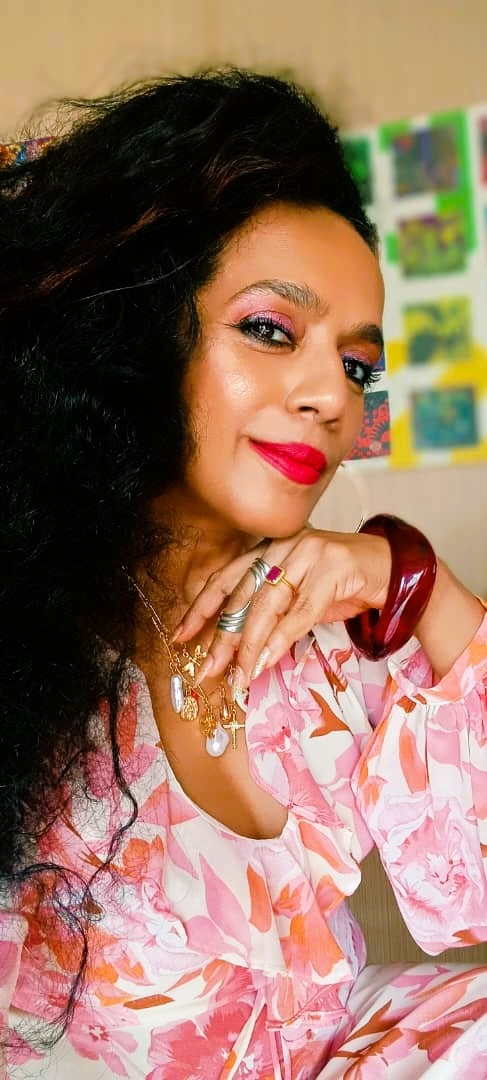
Ethel Da Costa is an award-winning Lifestyle Journalist-Editor, Author, Media Personality, Founder & CEO of Think Geek Media shaping conversations in fashion, lifestyle, music, entertainment, and culture across India, Malaysia, Asia and beyond.
Email: etheldacosta@gmail.com
Instagram @etheldacosta


Kudos Ethal, a very timely and much-needed article.
As a boutique healthcare financing provider, we at Amden Capital often see the consequences of aesthetic procedures performed by unqualified or unauthorized individuals in beauty salons and other non-medical settings.
Many patients come to us not for cosmetic enhancement, but because they urgently need corrective surgery after botched procedures. We work closely with qualified plastic and reconstructive surgeons who help restore both function and confidence.
One example we encounter is intramuscular breast filler injection , which by itself is illegal. While these procedures may initially cost around RM4,000, the cost of removing the filler and reconstructing the breast can range from RM25,000 to RM45,000. Based on what we’ve learned from experienced plastic and reconstructive surgeons, some fillers can harden over time, migrate due to gravity, and become significantly more difficult to remove. In contrast, approved breast implants undergo rigorous medical evaluation and are a very different category of treatment.
The unfortunate reality is that while some patients qualify for financing, many do not, leaving them with limited options despite genuinely needing corrective medical care.
This is why greater public awareness is so important. Patients need to understand that the cheapest option can sometimes become the most expensive decision they ever make—financially, physically, and emotionally.
Thank you for raising this important issue. Hopefully, this article sparks the open discussions our industry needs and encourages more people to seek treatment only from appropriately qualified medical professionals.
Thank you for sharing. Advocacy is really the need of the hour. And defining a strict code of ethics for aesthetics to avoid rising cases of quacks masking as experts.