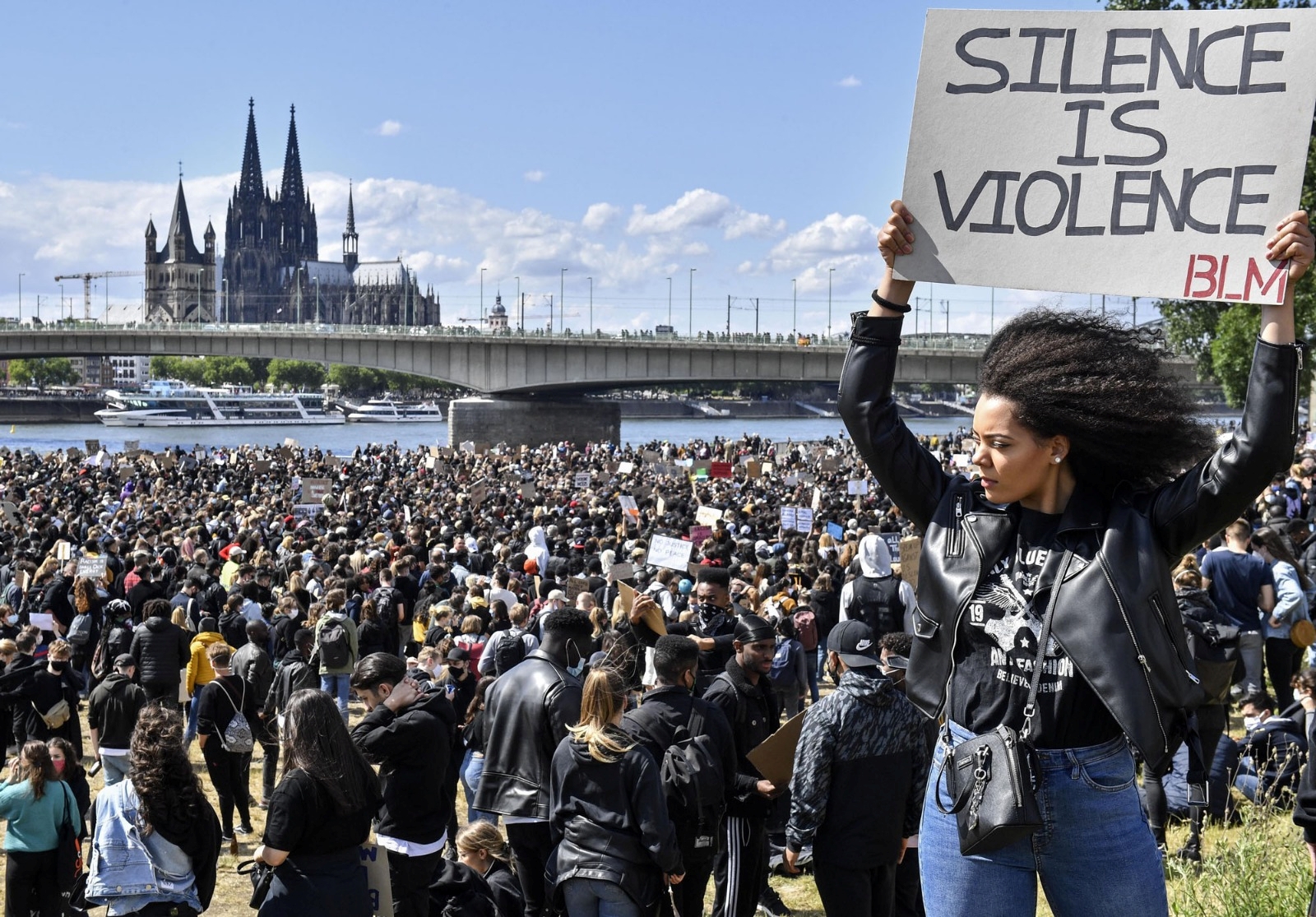

There is a particular species of human being who believes the world is their personal playground. They collect titles, followers, fortunes, political office, awards, private jets and obedient little entourages. They surround themselves with people who laugh at their jokes, excuse their behaviour, polish their reputations and quietly move the furniture when the mess gets too big.
They call it power. The rest of us are expected to call it leadership.
Well, darling, the curtain is twitching. The audience is asking questions. And some of the people who have spent years behaving as though accountability is a service reserved for the little people are discovering that the exit door does, in fact, open both ways.
From political strongmen to celebrity predators, from corporate visionaries with spectacularly defective ethics to professionals who mistake public trust for personal immunity, the stories emerging across the world are not isolated scandals. They are symptoms of something much bigger.
We have built a culture that rewards power before character, celebrates influence before integrity and often protects the powerful long after the vulnerable have been abandoned.
That is the real scandal. Not simply who has been exposed, but how many people helped make them untouchable.
The business of being untouchable
Let’s start with a number that should make every boardroom, parliament, entertainment studio and dinner party go very quiet.
The World Health Organization’s 2026 fact sheet, drawing on global estimates published in 2023, reports that nearly one in three women — approximately 840 million women and girls — have experienced physical and/or sexual violence by an intimate partner or sexual violence by someone else during their lifetime. The underlying estimates draw on population-based surveys across 168 countries and areas. The WHO also warns that stigma and under-reporting mean the true scale may be higher.
This is not a celebrity gossip problem. It is not a Hollywood problem. It is not a problem that disappears when a man has a good publicist, a bestselling book, a political constituency or a blue tick on his/her instagram.
It is a global power problem.
And while we’re discussing the wider culture of impunity, Transparency International’s 2025 Corruption Perceptions Index paints an equally uncomfortable picture. The global average is 42 out of 100, its lowest level in more than a decade. More than two-thirds of the countries assessed — 122 out of 180 — scored below 50. The index measures perceptions of public-sector corruption, not every form of wrongdoing, but its warning is unmistakable: accountability mechanisms are weakening in far too many places.
The organisation also reports that only five countries now score above 80, compared with 12 a decade ago. So no, this is not just about a few bad apples. It is about the orchard, the people guarding it, the people selling the fruit and the ones insisting that the smell is perfectly normal.
Celebrity is not a character reference
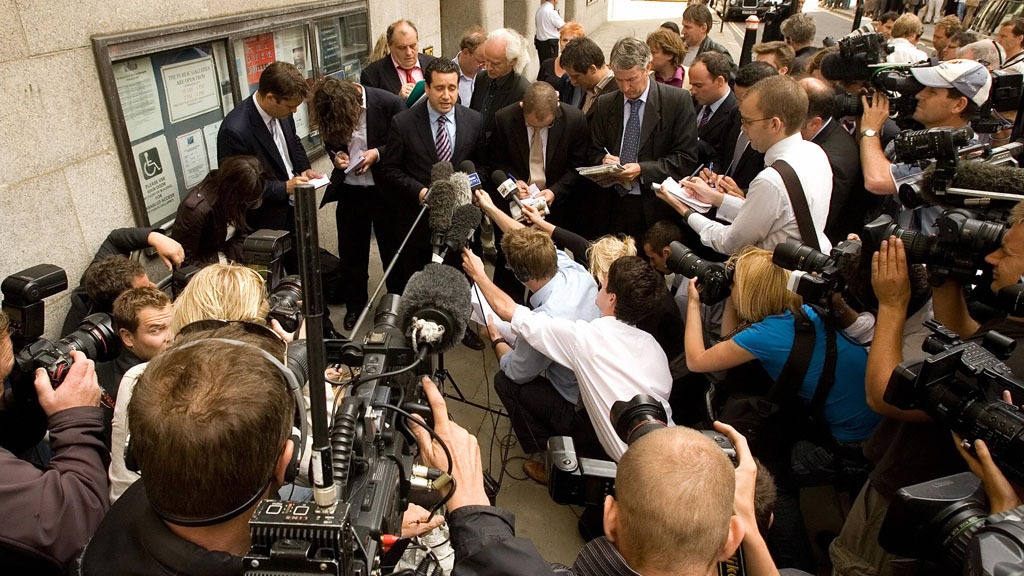
For years, the entertainment industry has operated on a rather convenient arrangement: the talent makes money, the machine protects the talent, and everyone hopes the whispers never become headlines.
But the whispers have become court cases.
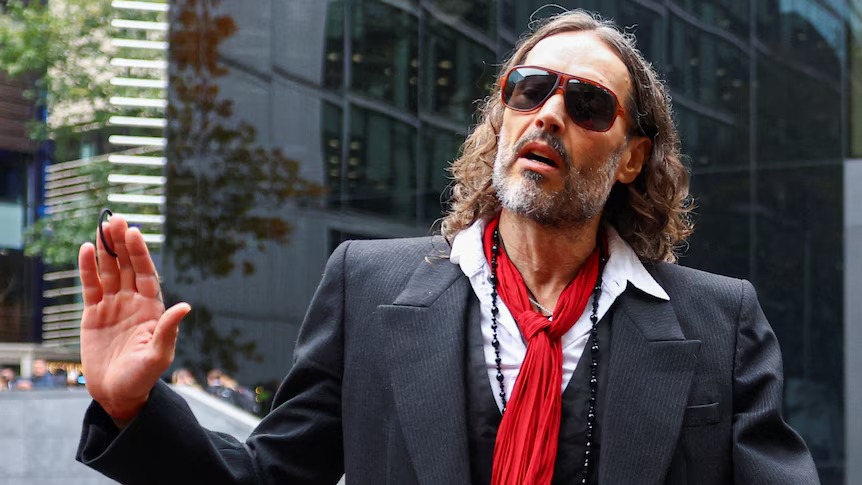
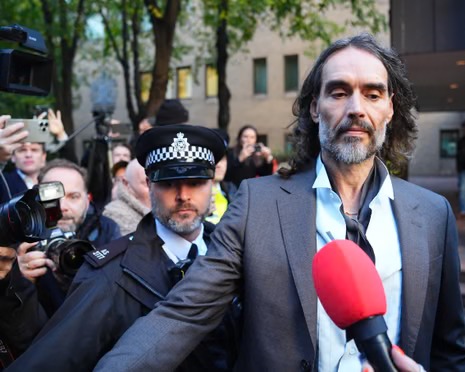
On 5 November 2026, British comedian Russell Brand was convicted by a London jury of rape and three sexual assaults involving four women. He was acquitted of two other rape charges and one charge of attempted indecent assault. Brand denied the charges and maintained that the encounters were consensual. The distinction matters: a conviction is a legal finding; an acquittal is not a conviction. But the case has once again forced a difficult conversation about celebrity, access, power and the cost paid by people who say they were not heard.
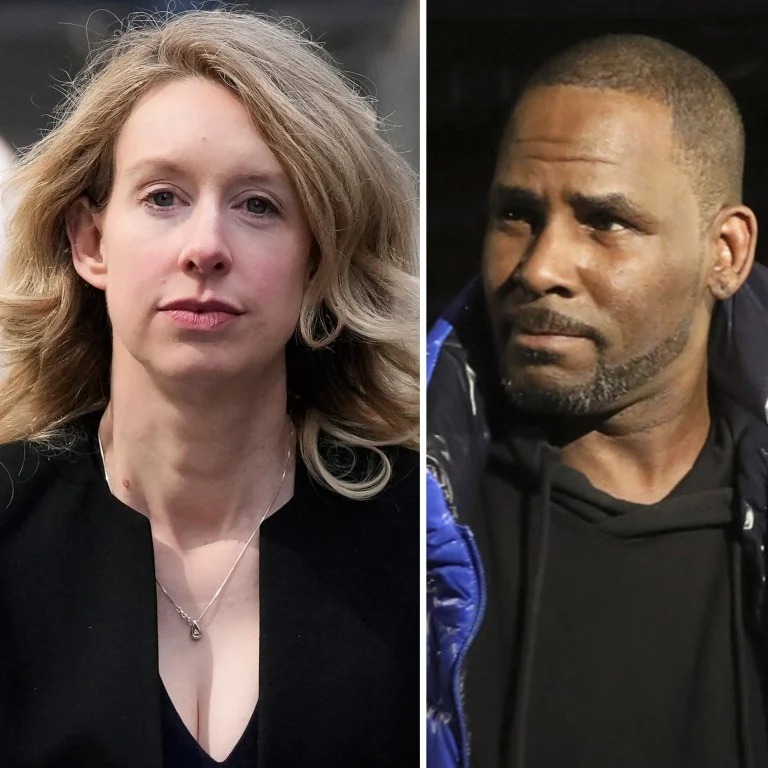
R Kelly was sentenced to 30 years in prison in 2022 after a federal jury convicted him of racketeering involving sexual exploitation of minors, coercion, forced labour and other offences. The US Justice Department described an enterprise in which fame and a network of enablers helped facilitate the abuse of vulnerable women and girls.
Actor Danny Masterson‘s convictions for raping two women were upheld by a California appeals court in 2026. He is serving a sentence of 30 years to life.
Different cases. Different evidence. Different legal outcomes. But one recurring question: how many people knew enough to be concerned, and how many decided that the star, the brand, the revenue or the reputation was simply too valuable to challenge? Because predators do not always operate alone. Sometimes they operate with assistants, managers, gatekeepers, fixers, friends, colleagues and institutions that find a way to make the uncomfortable inconvenient. And before anyone starts waving the familiar flag of cancel culture, let us be clear: due process matters. Evidence matters. The presumption of innocence matters. So does the right of survivors to be heard without being interrogated as though they are the ones on trial.
What should never be confused with due process is the old-fashioned business of burying a complaint because the accused sells tickets.
The political strongman and the ballot box
Power has its own theatre. It comes with motorcades, flags, loyalists, slogans, security details and the occasional gold-plated sense of entitlement.
But even the loudest political performance has to meet reality eventually.
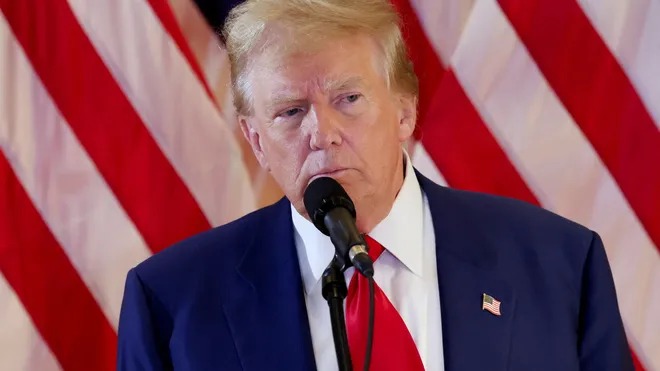
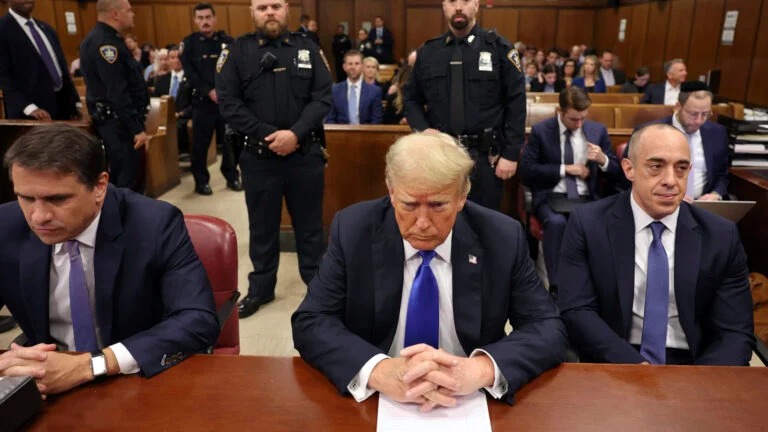
In the United States, the November 2026 midterm elections delivered a significant rebuke to Donald Trump and the Republicans, with Democrats winning control of both the House and the Senate. The Associated Press Voter Poll found that about seven in ten voters believed Congress was not doing enough to provide checks and balances on the president. More than half said government corruption was crucial to their vote.
This is not the removal of a president, nor the end of Trump’s political power. He remains in office. But it is a reminder that an electorate can use the ballot box to demand scrutiny, restraint and a functioning system of checks and balances.
Democracy is not a fan club. A president is not a monarch. And a parliament is not supposed to be a standing ovation.
In Israel, the International Criminal Court issued arrest warrants in November 2024 for Prime Minister Benjamin Netanyahu and former defence minister Yoav Gallant, finding reasonable grounds to believe they bore responsibility for alleged war crimes and crimes against humanity in the Gaza conflict. These are allegations under the Court’s legal process, not criminal convictions.
In the Philippines, former president Rodrigo Duterte was committed to trial by the ICC in April 2026 after the Court confirmed charges of crimes against humanity relating to murder and attempted murder during the so-called war on drugs. The charges must be tested at trial; Duterte is entitled to the presumption of innocence.
And closer to home, Malaysia’s 1MDB scandal remains a sobering reminder that the language of national development can be used to disguise extraordinary abuses of public trust. Former prime minister Najib Razak was convicted in December 2025 on four counts of abuse of power and 21 counts of money laundering involving approximately RM2.28 billion in the 1MDB case. He appealed. His earlier SRC conviction involving RM42 million had already been upheld by the Federal Court in 2022.
These are not interchangeable cases, and they should not be treated as such. But they underline a simple democratic principle: public office is a public trust, not a private inheritance. The moment a leader starts believing that the country belongs to them, the citizens have every reason to become troublesome.
The disruptors, the dreamers and the fraud
In the corporate world where the tyrant sometimes wears a black turtleneck, speaks in inspirational sound bites and tells investors that the future is just around the corner, Elizabeth Holmes, founder of Theranos, became the poster child for the seductive power of Silicon Valley mythology. The promise was revolutionary blood testing. The reality was that the technology could not reliably deliver what the company claimed. In 2022, a federal jury convicted Holmes of one count of conspiracy to defraud investors and three counts of investor fraud involving more than US$140 million in wire transfers. She was acquitted of patient-related fraud charges and other counts on which the jury did not reach a verdict. She was sentenced to 135 months in prison.
Sam Bankman-Fried, the founder of FTX, was sentenced to 25 years in prison in 2024 after his conviction for fraud and conspiracy offences connected to the collapse of the cryptocurrency exchange and the misuse of customer funds.
The lesson is not that ambition is dangerous, or that every entrepreneur with a grand vision is a fraud. The lesson is that charisma is not due diligence. A valuation is not a moral certificate. A TED Talk is not an audit. And calling something disruptive does not mean it is allowed to disrupt the law. The same goes for the corporate leader who terrorises a team and calls it high standards. The founder who demands loyalty but offers no accountability. The CEO who speaks about people as the company’s greatest asset while treating them as disposable stationery.
A corner office does not confer emotional intelligence. A billion-dollar valuation does not make you a decent human being.
When the white coat becomes a shield
There is perhaps no greater abuse of trust than the abuse committed by someone entrusted with another person’s health.
The case of Larry Nassar, the former USA Gymnastics physician, remains one of the most devastating examples. He sexually abused hundreds of victims under the guise of medical treatment over nearly two decades. In 2024, the US Department of Justice announced a US$138.7 million settlement resolving 139 administrative claims alleging that the FBI had failed to adequately investigate allegations against him. The Department’s Inspector General had previously criticized aspects of the FBI’s response.
Read that again. A medical professional abused his position, and the institutional response itself became part of the scandal.
The wellness and longevity industries deserve scrutiny too. The Epstein document releases in 2026 brought renewed attention to the associations and correspondence of several prominent figures. Physician and longevity influencer Peter Attia faced scrutiny over emails with Jeffrey Epstein and stepped back from professional roles. Attia said he had no involvement in Epstein’s crimes, acknowledged poor judgement in maintaining contact and expressed regret.
That distinction is essential. Being named in documents, corresponding with Epstein or having associated with him is not proof of criminal conduct. Nor should professional scrutiny be confused with a criminal finding. But it is entirely reasonable to ask why people with enormous influence over public health, wealth, policy and culture thought proximity to a convicted sex offender was something they could explain away as networking.
The wellness industry, in particular, needs to remember that a podcast following is not a medical qualification, a bestselling book is not peer review, and a charismatic expert is not above scrutiny. Health is not a personal brand exercise. It is a matter of trust, evidence and responsibility.
The entourage is part of the story
And here is where the conversation becomes much more uncomfortable. Because the powerful rarely build their little kingdoms alone.
There are the people who know and say nothing. The colleagues who laugh nervously. The assistants who arrange the meetings. The executives who settle complaints quietly. The boards that commission reviews designed to protect the institution. The political allies who defend the indefensible because the alternative is losing access. The media outlets that turn a blind eye because the celebrity is good for ratings.
There are also the people who confuse silence with loyalty.
The latest Epstein document releases have triggered resignations, investigations and professional consequences in several countries. Among those facing scrutiny or stepping down from roles were former World Economic Forum chief executive Børge Brende, Goldman Sachs legal chief Kathy Ruemmler and physician Peter Attia. Others, including Slovak political figure Miroslav Lajčák, faced questions over their communications.
But let’s be precise: the appearance of a person’s name in the Epstein files does not establish that person committed a crime or participated in his abuse. Some faced consequences over poor judgement, associations or communications; others were subject to investigations. Those are different things.
The larger question is why the powerful are so often granted the luxury of proximity without scrutiny, while ordinary people are expected to explain every association, every mistake and every inch of their lives. Accountability cannot be a special occasion. It has to be a culture.
The workplace tyrant is not a smaller problem
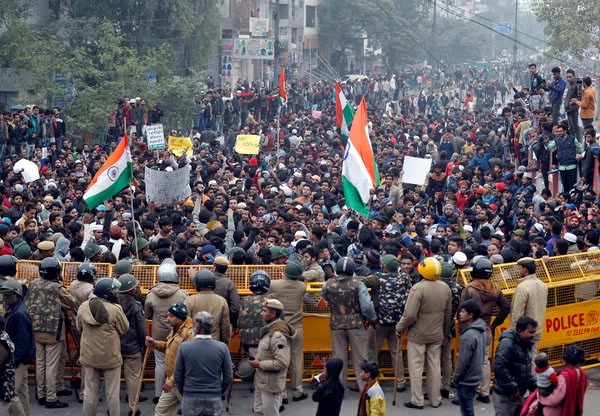
We talk about dictators as though tyranny only happens in palaces, presidential offices and regimes with armed guards.
Nonsense. It happens in the boardroom when dissent is punished. In the newsroom when a senior editor humiliates young journalists. In the hospital when a junior doctor is afraid to question a consultant. In the creative industry when a star is allowed to bully an entire crew because the show must go on. In a company where the founder’s mood determines whether the team has a good day or a miserable week.
It happens when people are told to be grateful for a job instead of being treated with respect. When credit travels upwards and blame travels downwards. When the person who raises a concern is labelled difficult, disloyal or not a team player. And it happens in wellness spaces too, when a self-appointed guru uses spiritual language to demand obedience, discourage questions or make followers feel that disagreement is evidence of their own lack of enlightenment.
Let’s call this what it is: power without accountability.
A good leader does not need a room full of frightened people. A credible expert does not need unquestioning followers. A healthy organisation does not depend on one person’s ego being fed three times a day. If your team is afraid to tell you the truth, you do not have loyalty. You have a risk-management problem.
The audience has a responsibility too
Now comes the part that may not be as comfortable as pointing fingers at the famous. We have a role in this.
We buy the tickets. We follow the accounts. We share the clips. We defend the celebrities. We reward outrage with clicks and controversy with attention. We allow political personalities to become identities, brands to become belief systems and influencers to become authorities on subjects they may barely understand.
We have outsourced too much judgement to popularity. A million followers do not make someone trustworthy. A famous surname does not make someone competent. A spiritual title does not make someone kind. A powerful position does not make someone right. And when a whistleblower speaks, perhaps our first instinct should not be to ask why they waited, why they stayed, why they didn’t fight harder or why they didn’t tell us sooner. Perhaps we should ask why the environment made speaking up so difficult in the first place.
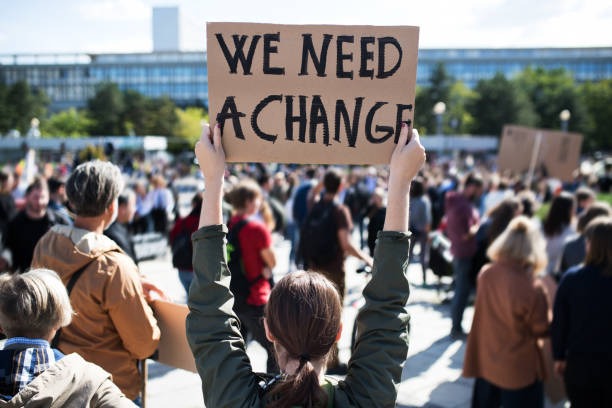
Self-vigilance begins with questioning the people we admire. Community vigilance means protecting those who speak up, supporting independent journalism, demanding transparent investigations, challenging workplace abuse and refusing to reward institutions that repeatedly protect reputations over people.
It also means allowing due process to do its job. Accountability without evidence becomes mob justice. Evidence without courage becomes a dusty file. We need both fairness and the willingness to act.
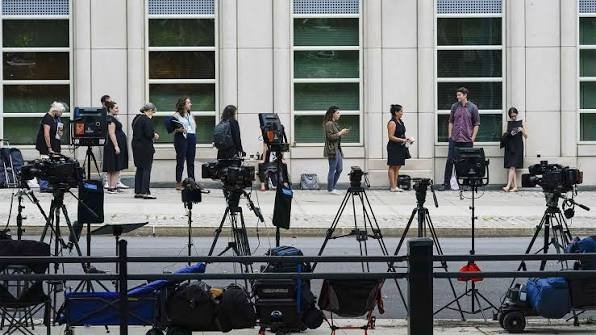
The age of the untouchable is over. Or it should be.
I am not interested in the delicious spectacle of a public downfall for its own sake. There is nothing entertaining about the damage left behind by abuse, fraud, corruption or institutional cowardice. What interests me is what happens next.
Do organisations change their culture, or simply hire a better crisis communications team? Do political systems strengthen checks and balances, or find new ways to silence critics? Do companies protect whistleblowers, or quietly move them out of the building? Do media platforms reward substance, or continue to monetise outrage? Do we ask our doctors, coaches, gurus, CEOs and elected representatives to demonstrate integrity, or simply accept the confidence with which they speak?
The next time someone tells you they are too important to be questioned, consider that your cue to start asking better questions. The next time a company tells you that its culture is built on family, look at how it treats the person who disagrees with the boss. The next time a celebrity, politician or business leader demands loyalty, ask whether they have earned trust. And the next time an institution says it is investigating itself, perhaps ask who is watching the investigators.
Because the tyrant is not always the person at the top. Sometimes the tyrant is the system that protects them. Sometimes it is the silence around them. And sometimes it is our own willingness to look away because the person involved is useful, entertaining, powerful or profitable. We do not need more heroes. We need fewer people who believe they are beyond scrutiny. We need institutions with spines, teams with voices, communities with courage and audiences with discernment. We need to stop mistaking access for achievement, celebrity for character and fear for respect.
The walls are cracking in some places. In others, they are being reinforced. The work is nowhere near finished. But let this be the moment we stop applauding the performance and start examining the person behind the curtain.
Power is not a personality. Fame is not a virtue. Success is not an exemption from decency. And if that makes the untouchables uncomfortable? Good. They have been comfortable for far too long.
*All images from Google for illustration purpose only
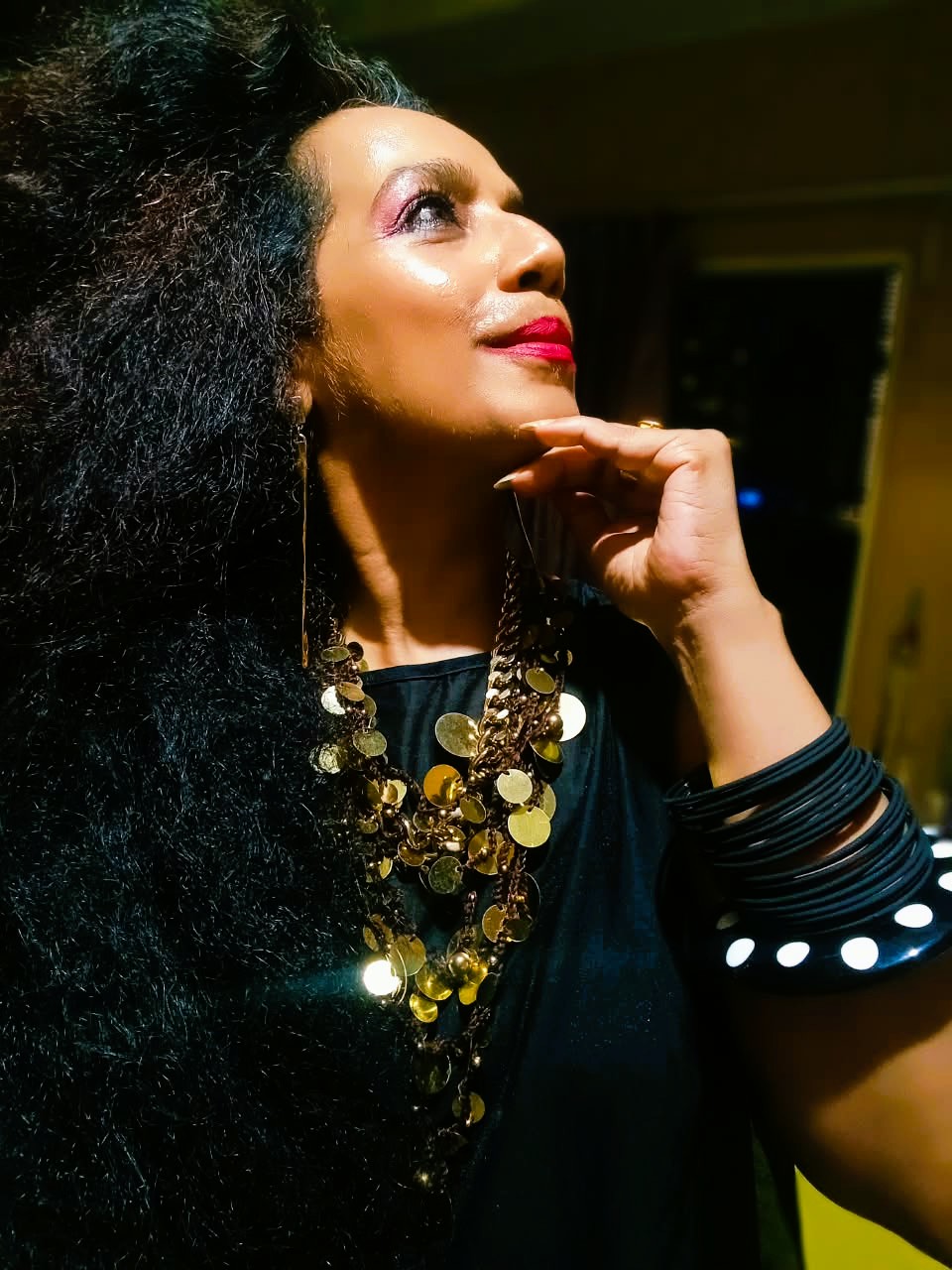
Ethel Da Costa is an award-winning Lifestyle Journalist-Editor, Author, Media Personality, Founder & CEO of Think Geek Media shaping conversations in lifestyle, music, entertainment, fashion and culture across India, Malaysia, Asia and beyond.
Email: etheldacosta@gmail.com. Instagram @etheldacosta
READ MORE LETHAL ETHEL COLUMNS




Yesss the kind of writing that is meant to shred complacency and complicity to bits!
We are actually living and witnessing the crassness of entitlement in every walk of life….it’s time for a brand new consciousness towards self and community.
Cheers to your feisty self carrying that flame brighter and bolder each day.