
I have been cross-country travelling (from Kuwait to Goa, India) since I was a toddler. It has always been my happy place, being at an airport in anticipation that I’m taking off somewhere, ready to explore and experience what the journey has in store for me. Travel has always been my way of staying curious, connected, and alive. But this time, it wasn’t about me. It was about my 80-year-old mother.
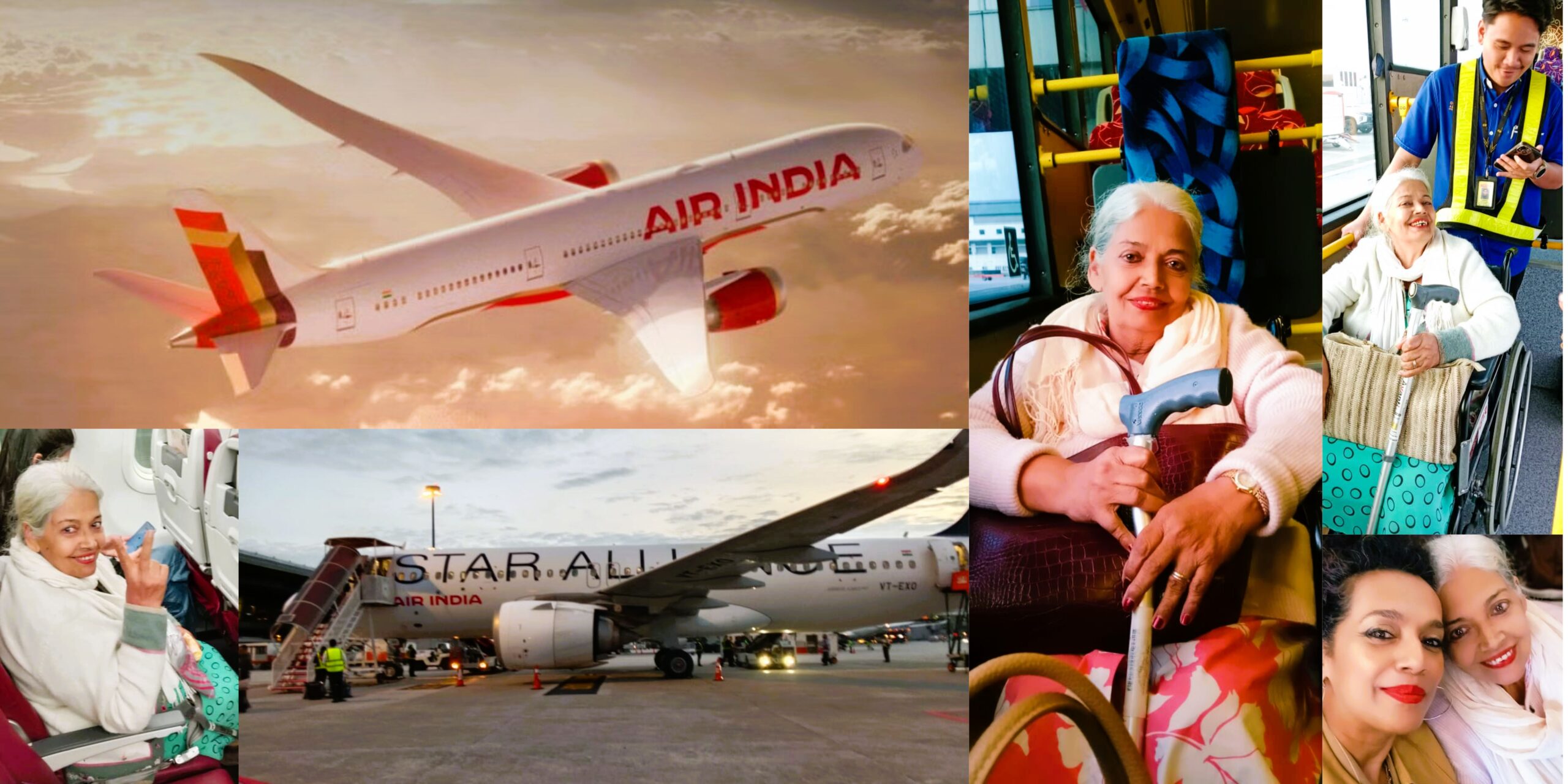
Recently, I travelled with her from Goa to Malaysia and back, a route that symbolises much more than a flight path. India and Malaysia share deep cultural, familial, spiritual, and economic ties, and for many elderly travelers, this corridor represents reunions with children, pilgrimages, medical visits, cultural exchanges, and long-postponed dreams.
Whilst I was excited to give my aging mother an experience she would remember, I was also filled with anxiety and worry with her restricted movements and how I would manage it comfortably for her. My worries were set to rest, because what stood out during this journey was not just the long destination, but how thoughtfully the journey itself was handled, thanks in large part to Air India’s elderly and wheelchair assistance services.
This experience reaffirmed something I deeply believe in: Age should never be a reason to stop living fully — or crossing borders.
India–Malaysia: A Growing Corridor for Senior Travel
The India–Malaysia air route has seen steady growth over the years:
- Malaysia is home to a large Indian diaspora, many of whom are second- and third-generation families with elderly parents travelling frequently between the two countries.
- The route supports cultural tourism, wellness travel, religious pilgrimages, and family reunification, especially among older adults.
- Since Malaysia introduced 30-day visa-free travel for Indian passport holders in December 2023, the country has welcomed over 2.5 million Indian visitors, with arrivals crossing 1 million in 2024 and reaching around 1.5 million in 2025, as highlighted by Prime Minister Anwar Ibrahim.
- As India’s senior population grows — projected to exceed 300 million by 2050 — cross-border senior travel in Asia will only increase.
For elderly travelers on this route, accessibility, patience, and cultural sensitivity are not optional — they are essential.
When Travel Becomes an Act of Care
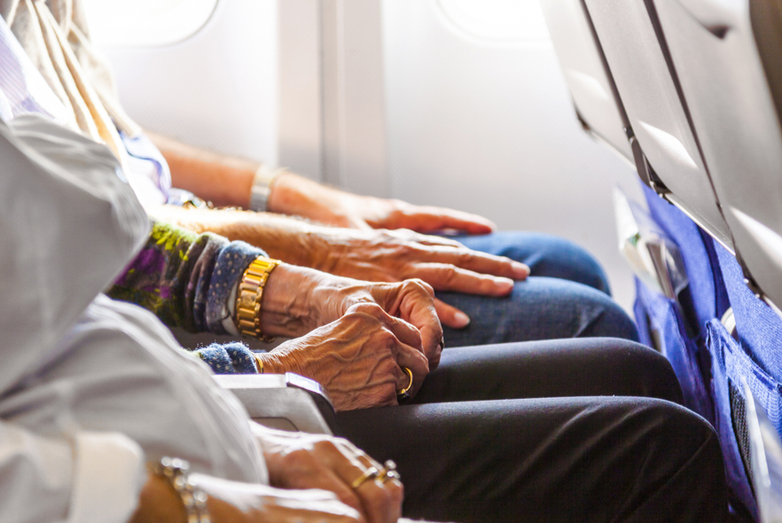
From the moment we arrived at the airport in India, Air India’s wheelchair and special assistance services set the tone for a stress-free journey.
- Wheelchair support was available from check-in to boarding and continued seamlessly through transit and arrival in Malaysia.
- Immigration and security processes felt less intimidating because staff knew how to guide elderly passengers gently, without haste.
- Communication was clear, respectful, and reassuring — especially important when travelling across countries and time zones.
For my mother, this meant dignity and confidence.
For me, it meant knowing that the airline understood the realities of travelling with an elderly parent across borders.

Why This Matters: Seniors Are Travelling — Across Asia and Beyond
Across Asia, the senior travel segment is expanding rapidly:
- By 2030, one in four people in Asia-Pacific will be over the age of 60.
- Seniors today are healthier, more curious, and more willing to travel — provided the infrastructure supports them.
- Studies show that travel among older adults improves cognitive health, emotional wellbeing, and social engagement, reducing isolation and enhancing longevity.
Yet many seniors still hesitate to take international trips, especially long-haul or regional flights, due to concerns around mobility, fatigue, immigration queues, and unfamiliar environments.
This is precisely why airline-led assistance programs and airport collaboration across countries matter so deeply.
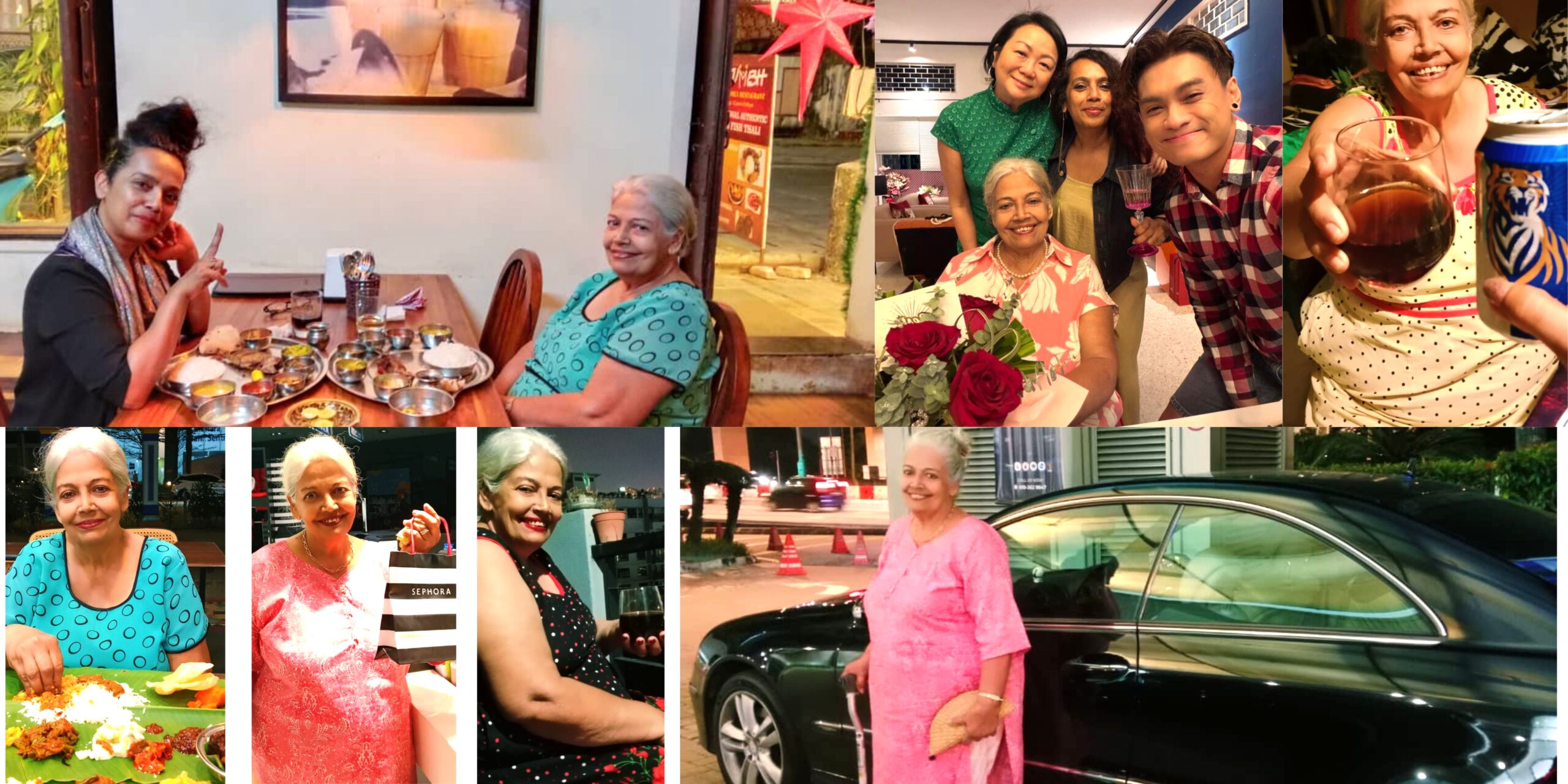
 Beyond Airlines: The Need for Elder-Friendly Cities and Public Spaces
While airline services set the foundation, the journey continues on the ground.
In both India and Malaysia, there is a growing need for:
- Malls, hotels, cultural venues, and public transport designed with elderly and differently abled access in mind
- Clearly marked pathways, elevators, seating areas, and rest zones
- Trained staff who understand that accessibility is about respect, not dependency
Malaysia has made visible strides in accessible urban planning, while India is rapidly evolving in this space. When both countries continue to prioritise inclusive infrastructure, senior cross-border travel becomes not just possible — but enjoyable.

Empathy as a Competitive Advantage in Regional Travel
What stayed with me long after the flight wasn’t just efficiency — it was humanity. A staff member walking alongside my mother instead of rushing ahead. A quiet check-in to ensure she was comfortable before boarding. A simple smile that said, “You’re safe here.”
In the context of India–Malaysia travel, where cultural familiarity meets logistical complexity, empathy becomes a powerful differentiator. Airlines that invest in compassionate service don’t just move passengers — they build regional trust and loyalty.

A Shared Responsibility Across Borders
To families:
Encourage your elders to travel, even internationally. With the right planning and airline support, it can be deeply enriching.
To airlines and hospitality leaders in India and Malaysia:
Elder-friendly services are no longer niche — they are a strategic necessity in an ageing Asia.
To policymakers and urban planners:
Accessibility must be embedded into tourism, transport, and public infrastructure as a cross-border standard, not a local afterthought.
Because enabling seniors to travel between countries is about more than tourism — it is about connection, dignity, and continuity of life.
In Closing
Travelling with my mother between India and Malaysia reminded me that borders do not limit the human spirit — systems do.
When airlines, airports, and cities choose empathy, accessibility, and thoughtful design, they allow seniors not just to travel — but to continue participating in the world.
That, to me, is what progress truly looks like.


Ethel, this is beautifully topical and deeply authentic as you recounted your own recent experience with great panache.
It is truly heart-warming and a fact-driven endorsement of India’s flagship airline in need of the fresh air you breathed into it.
Also explored well the culturally rich angle to your mum’s trip.
After reading about a fellow atheist’s experience in Malaysia, desire to travel to this predominantly Muslim country has dropped down to the level of Afghanistan for me as an outspoken apostate. I am glad that your mother had a beautiful experience.