
I grew up in Kuwait devouring the pages of magazines long before algorithms curated beauty for us. I discovered alternative worlds through glossy photos and editorials of Marie Claire, Vogue, Smash Hits, Number 1 back editions somehow my father would find for me, and my mom’s favourite Stardust that arrived like windows into distant worlds. As a teenager, I studied the confidence, the storytelling woven into imagery, and of course the shiny impossibly beautiful women (and men). Beauty to me was aspiration. It represented possibility, curiosity, and the things I wanted to do when I grow up. These magazines suggested how one might become. They implied reinvention, that identity could evolve, and that presenting one’s best self to the world was a form of self-respect and self-love.
Like many young women of my generation, I did not interpret beauty as pressure. I experienced it as inspiration — an invitation to grow into the most confident version of myself. Watching my mom dressing up or putting on her make-up for a party would fill me with awe. She was beautiful (and has aged gracefully since).
Years later, as my career unfolded within lifestyle and media, I found myself moving behind the curtain of that same world. Fashion weeks, celebrity interviews, international travel covering lifestyle events and luxury spaces — each introduced me to new avatars of beauty. And slowly, a more complex conversation emerged. When work introduced me to Southeast Asia, I realised that beauty was no longer just aesthetic. It was psychological.
From Poetry to Currency
There was a time when beauty was poetry. It lived in sculpture, mythology, and the quiet reverence of art. Beauty was aspirational but never compulsory — admired, not algorithmically enforced. Today, beauty feels less like art and more like currency. And like all currencies, it now dictates power, access, visibility, and relevance. We are living through what historians may one day call the Age of Aesthetic Capital — a moment where appearance is no longer personal expression but social infrastructure.
The question therefore is no longer What is beauty? It is: Has beauty become the dominant cultural language of our time?
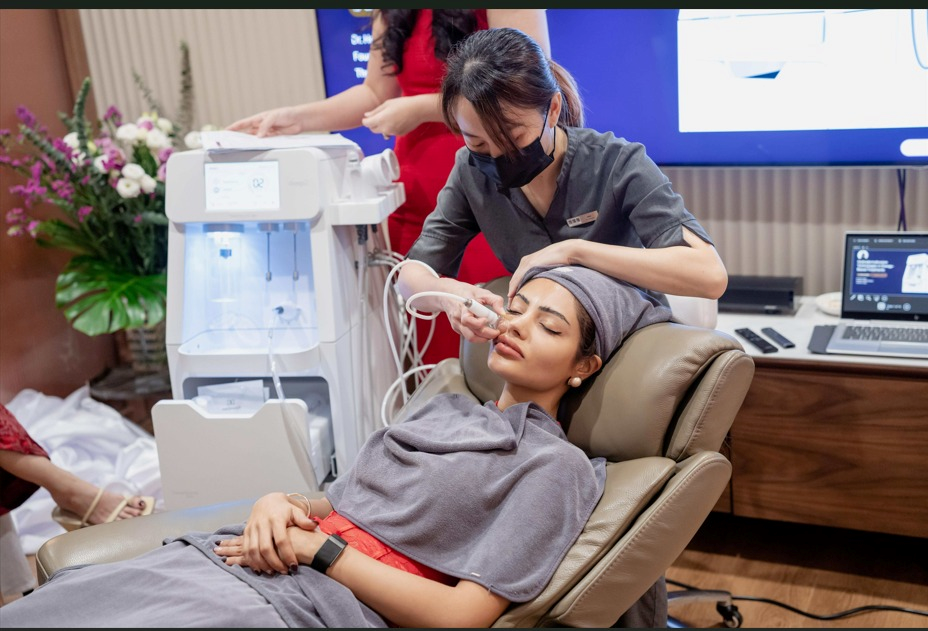
Interestingly, aesthetic medicine itself acknowledges that beauty’s influence is not new. As aesthetic physician Dr Hew Yin Keat, Founder and Medical Director of M∙A∙C∙ Clinic, observes, “Beauty has functioned as a form of social currency throughout human history — perhaps even as an innate aspect of human nature. What has changed is not beauty’s existence, but its scale, accessibility, and societal impact.”
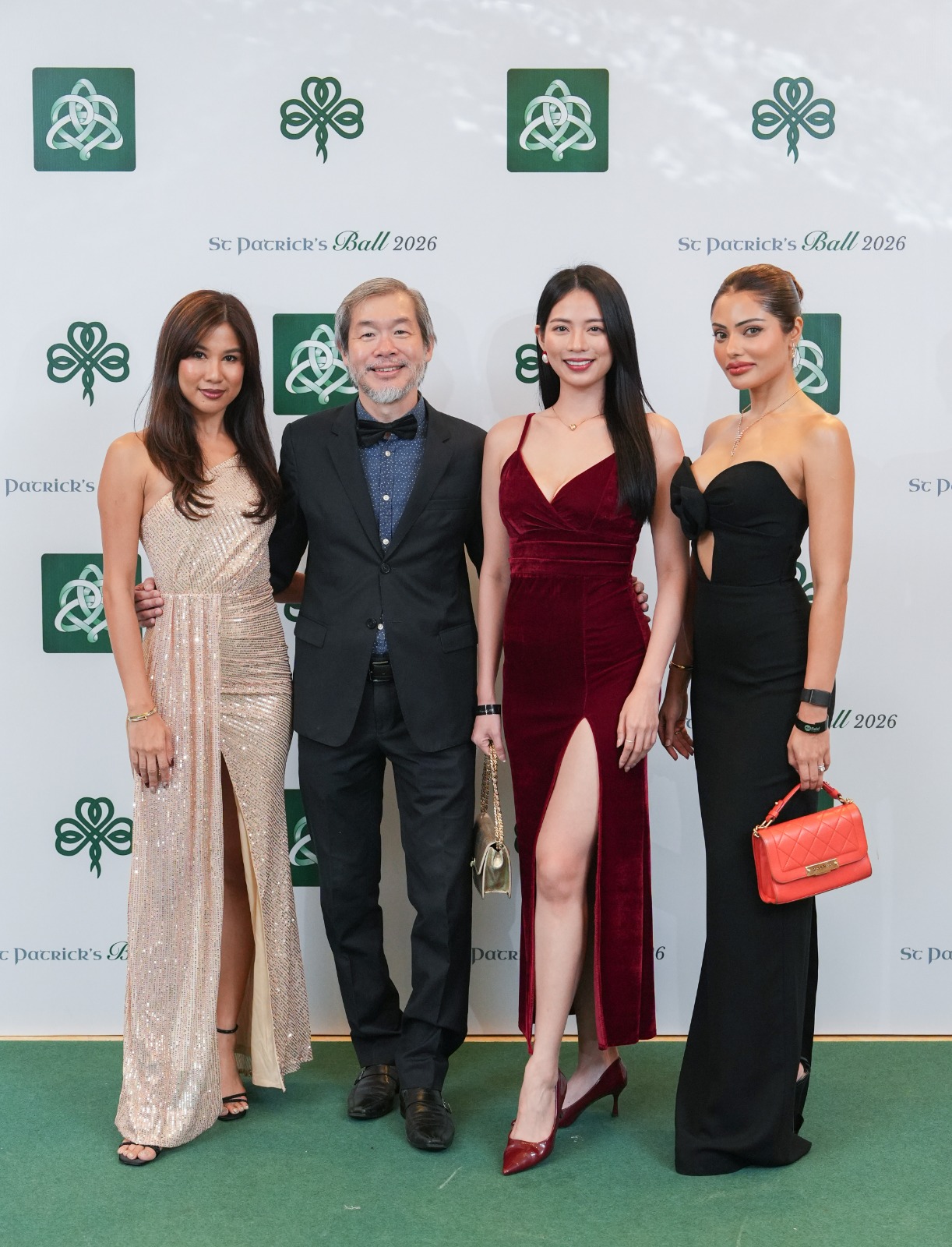
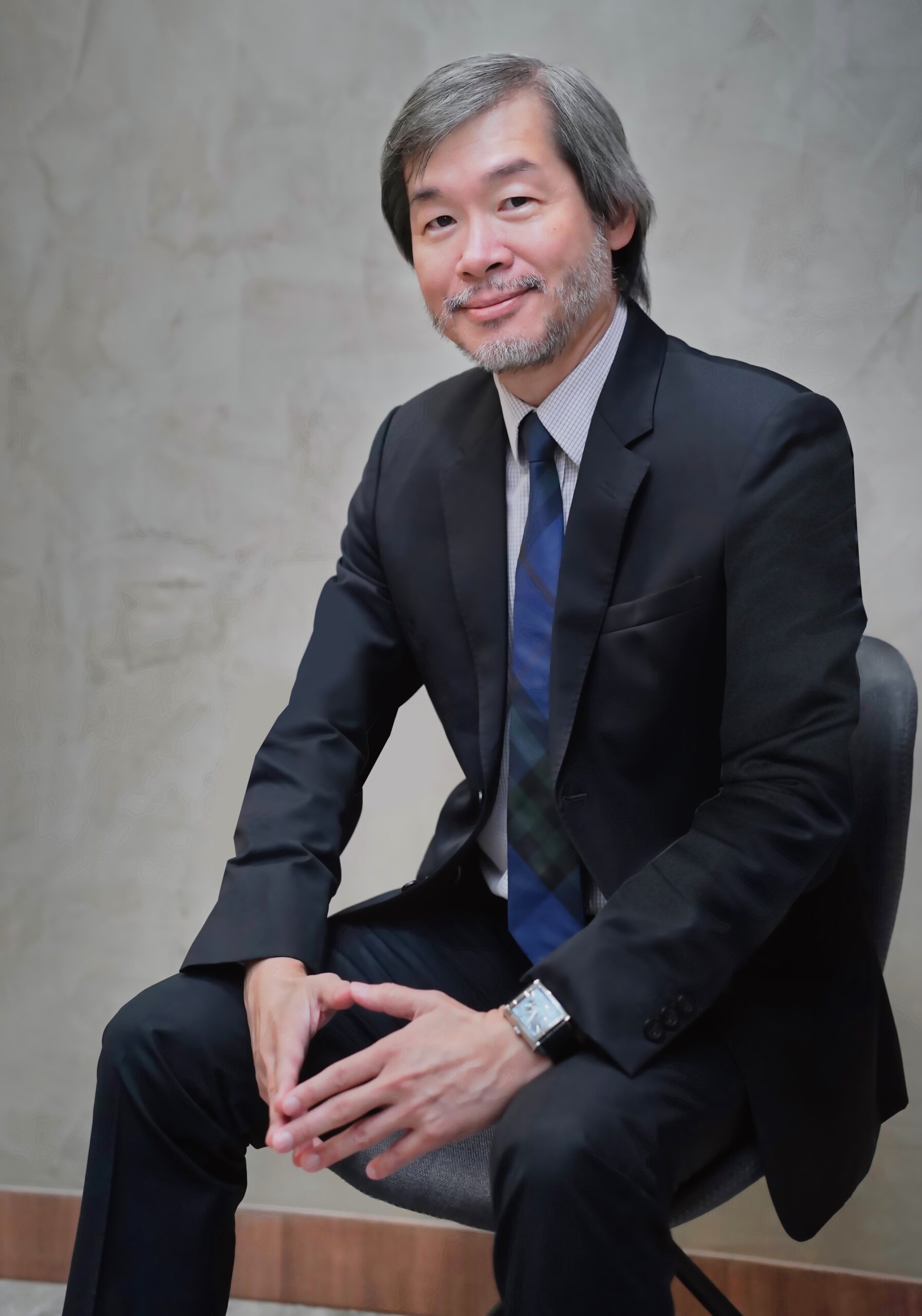
Founder & Medical Director, The M∙A∙C∙ Clinic pioneering aesthetics in Malaysia. Also seen are pageant queens – Lee Yvonne, Ashlyn Ooi and Sanja Suri
The Numbers Tell a Story Humanity Is Still Processing
Globally, cosmetic enhancement is no longer fringe behaviour. It is mainstream economics. According to the International Society of Aesthetic Plastic Surgery (ISAPS), nearly 38 million aesthetic procedures were performed worldwide in 2024, including 17.4 million surgical and 20.5 million non-surgical treatments — a staggering 42.5% increase in just four years. Botulinum toxin injections alone reached 7.8 million procedures, while eyelid surgery became the most common surgical intervention globally for the first time.
The demographic shift is equally revealing:
- Most surgical procedures occur among 18–34-year-olds, signalling normalization among younger generations.
- Male cosmetic procedures are rising rapidly, reflecting changing ideas of masculinity and visibility.
- Social media and constant digital self-observation are cited as major drivers of demand.
Beauty is no longer a luxury industry. It is an ecosystem.
Malaysia mirrors this transformation. The country has emerged as a regional hub for aesthetic medicine and medical tourism, where advanced non-invasive treatments and competitive pricing attract both locals and international clients while stigma steadily fades. The clinic has quietly replaced the salon as the modern temple of transformation.
Yet within medical practice, ethical balance remains central. Dr Hew Yin Keat describes “Aesthetic doctors not simply as providers of enhancement, but as custodians navigating deeply personal motivations.” The extent to which individuals pursue aesthetic perfection, he notes, “is shaped by psychological makeup, social pressures, and personal stakes” — reminding us that cosmetic decisions are rarely superficial choices.
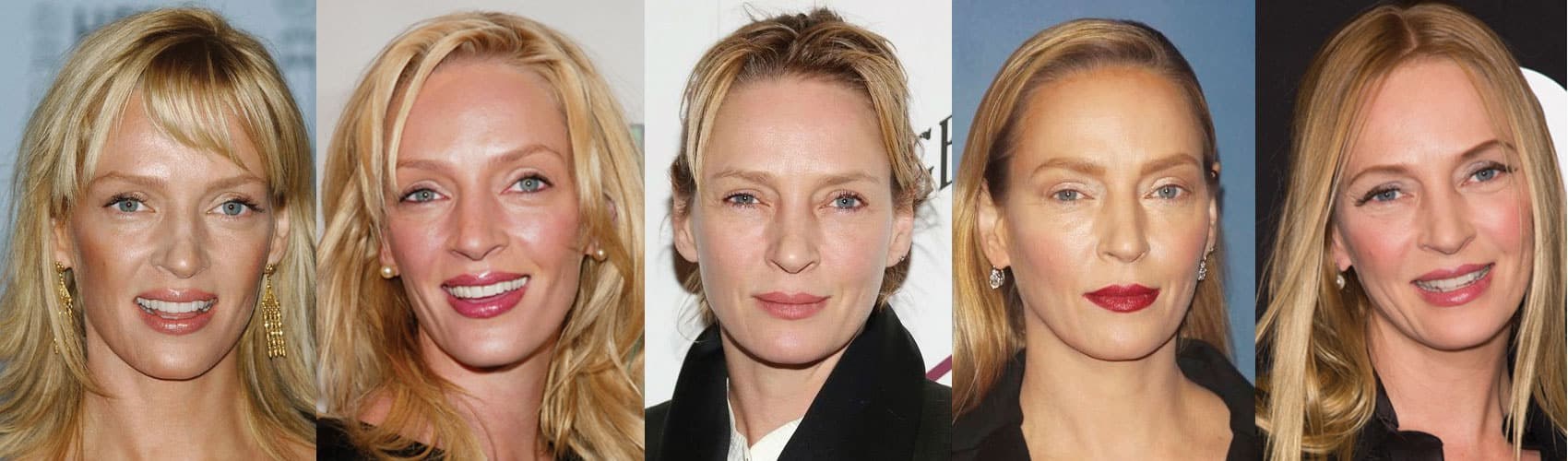
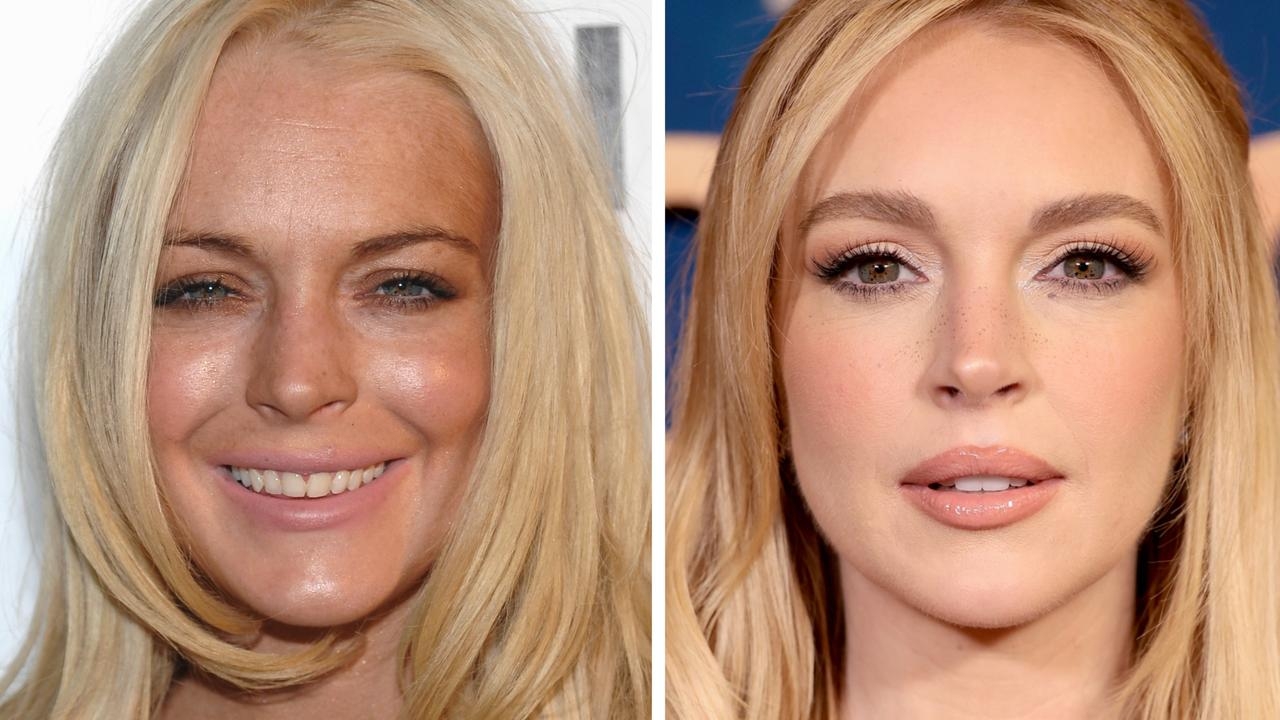
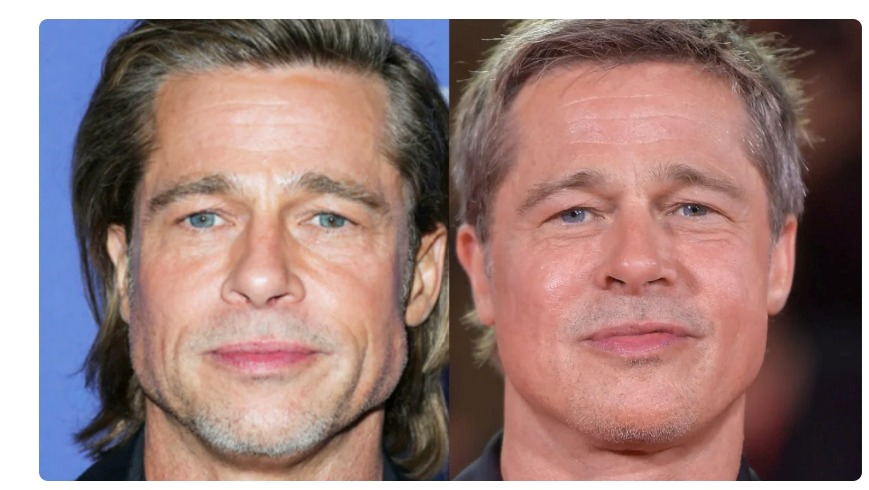
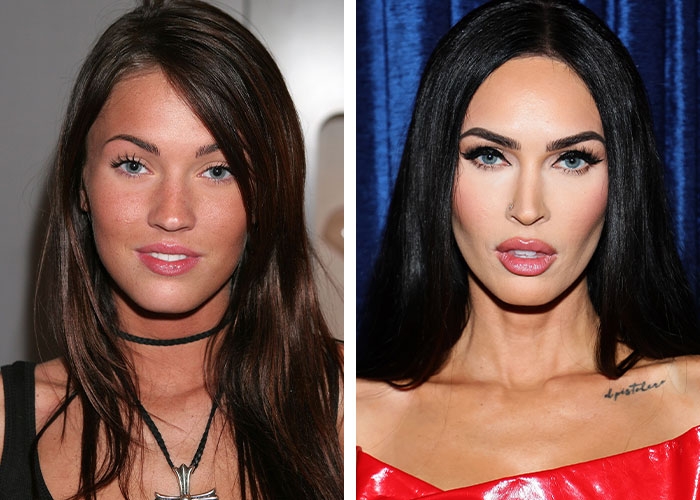
Cinema Saw This Coming Before Society Did
Long before Instagram filters, filmmakers were already interrogating humanity’s uneasy relationship with beauty. In Ash Wednesday (1973), Elizabeth Taylor portrays a woman undergoing extensive cosmetic surgery in a desperate attempt to save her marriage — a story less about vanity than fear of invisibility. In Mirror, Mirror (1979), three women believe surgery will repair emotional dissatisfaction, only to discover altered faces do not resolve inner fractures. Then came Looker (1981), eerily prophetic in its warning that advertising and media would manufacture impossible beauty standards through technology and illusion.
Decades later, documentaries continue the inquiry. You’ll Be Happier (2023) follows a young woman pursuing repeated cosmetic surgery while questioning whether transformation can truly deliver happiness. Closer to last month The Beauty (2026) exploring society’s obsession with beauty suggest cosmetic transformation promises control — but often reveals vulnerability.
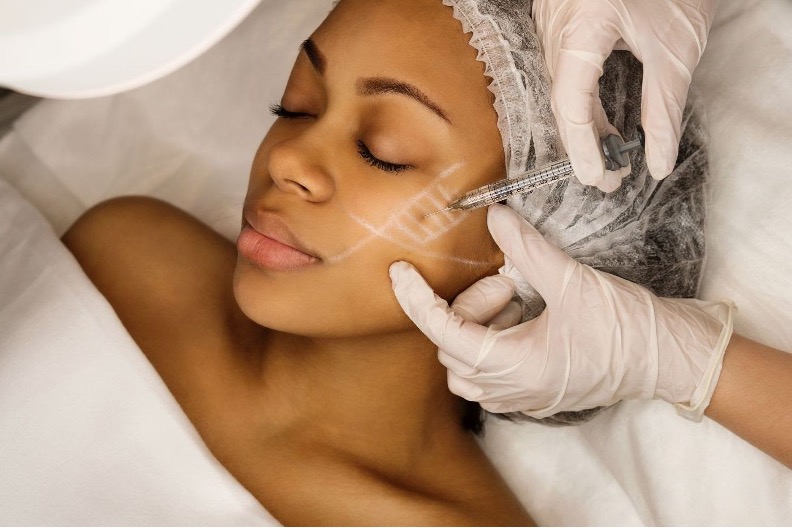
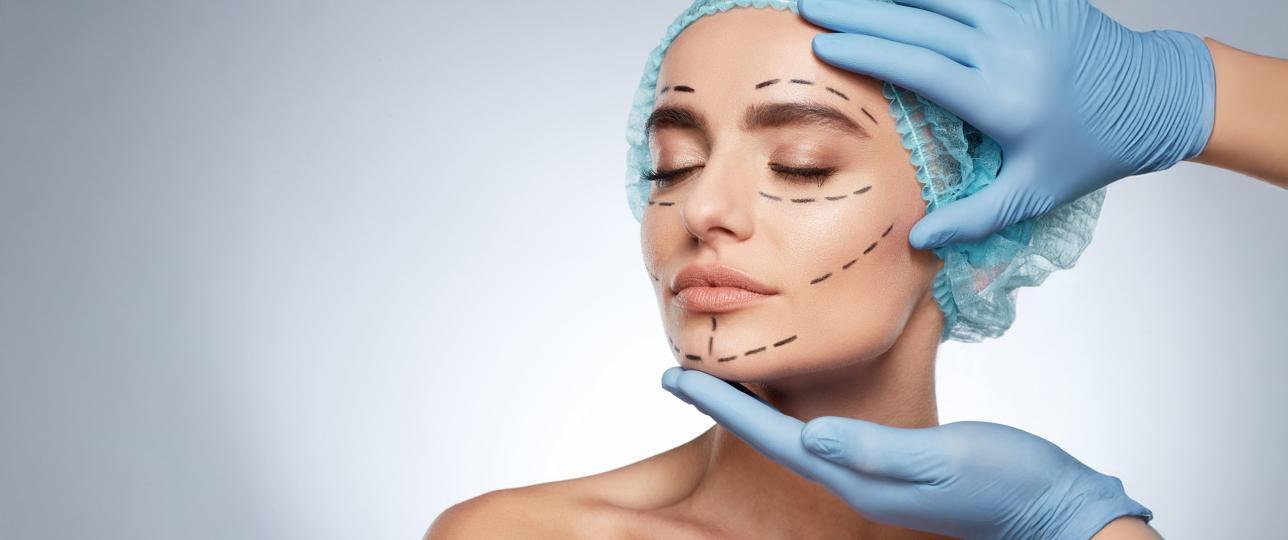
Gen X vs Gen Z: Two Relationships with Beauty – The generational divide reveals something deeper than changing fashion.
Gen X: Beauty as Preservation
For Generation X, cosmetic enhancement largely emerged from fear of aging — an attempt to preserve relevance in professional and social environments that privileged youth. Like Founder of Teal Asia, Selina Yeop Jr shares, “Aesthetic medicine is many things to different people. To some it’s self-empowerment because it certainly adds to one’s confidence. To others it is simply managing ageing in the most graceful way possible. To me it boils down to self-love.”
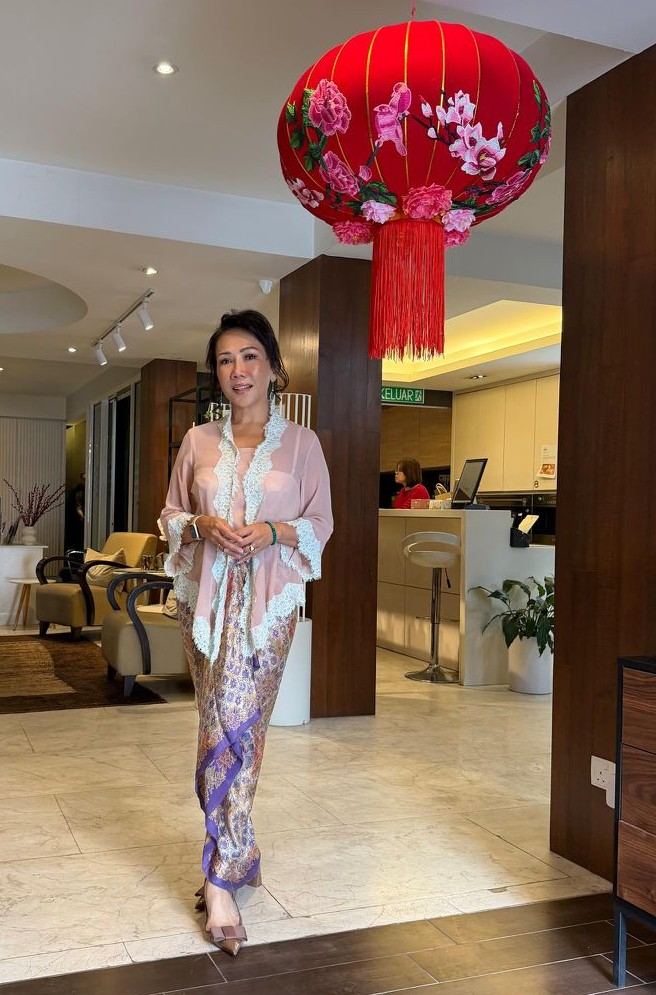
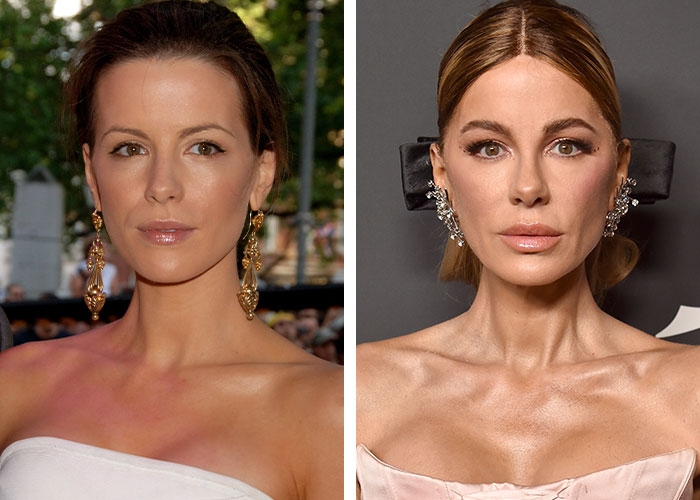
Selina Yeop Jr, Founder of Teal Asia, Malaysia (above) believes in non-invasive treatments. Actor Kate Beckinsale attributes her appearance to natural aging and treatments like PRP facials (L-R)
Gen Z: Beauty as Identity Construction
For Gen Z, beauty is not maintenance; it is identity architecture. Raised within algorithmic ecosystems, young people encounter themselves primarily through screens — selfies, video calls, and curated digital presence. The face becomes a brand asset, a social interface through which identity is negotiated in real time. Governments and psychologists increasingly warn of an emerging “appearance economy,” where validation is closely tied to aesthetic optimisation. Beauty becomes performance — and performance, at times, begins to feel like survival.
Yet within this generation, a quieter counter current is also emerging: a redefinition of authenticity itself.
Actor, model and pageant queen, Sanjna Suri, whose digital presence reaches thousands of young followers, reflects on this tension between self-expression and perfection. Earlier in her journey, she admits there may have been moments of conflict between authenticity and optimisation. Over time, however, her perspective shifted. She now views “Authenticity as far more powerful than perfection.” Acting allows her to inhabit many characters professionally, but beyond the camera, she is interested only in being herself. The most meaningful form of “optimisation,” she believes, “has not been physical transformation but becoming more comfortable, confident, and honest about who she already is.”
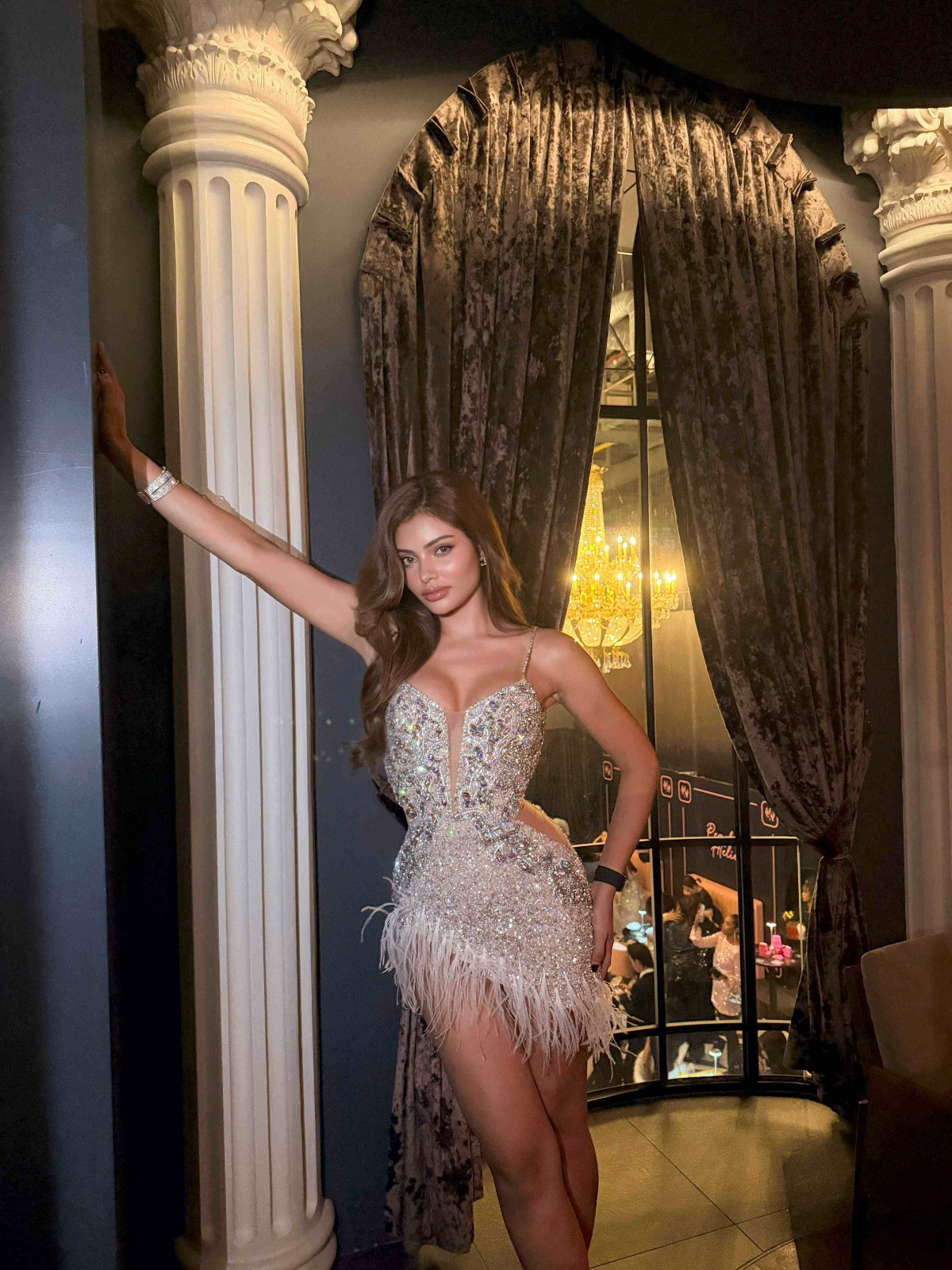
Her outlook reflects a growing awareness among younger creators: enhancement without self-acceptance rarely delivers fulfilment.
For Suri, sharing a beauty journey publicly carries responsibility. She frames beauty not as changing oneself, but as “bringing forward the best version of what already exists.” By openly embracing imperfections, she hopes to encourage audiences — particularly younger followers — “to practice self-acceptance rather than comparison.” Encouragingly, she notes, “A cultural shift is underway. Increasingly, visible role models are unapologetically themselves, challenging the idea that perfection must be uniform or manufactured.”
Her stance toward aesthetic enhancement is neither rejection nor blind endorsement. “Personal choice matters,” she says — “but intention matters more. Any decision to alter one’s appearance should be mindful, informed, and never driven by a belief that one is inherently inadequate.” Because, as she recognises, “surface beauty can never replace the deeper confidence that comes from feeling genuinely at ease within oneself.”
In this way, Gen Z’s relationship with beauty reveals a paradox: a generation shaped by hyper-visibility is simultaneously searching for authenticity within it.
The Quiet Shift: From Empathy to Aesthetics
Here lies the cultural tension. When appearance becomes currency, empathy risks depreciation. We begin valuing visibility over wisdom, youth over experience, perfection over authenticity.
The cultural dialogue subtly changes:
- Worth becomes measurable.
- Aging becomes failure.
- Imperfection becomes something to correct rather than understand.
Ironically, many cosmetic patients describe their motivation not as vanity but as emotional healing — confidence, belonging, or agency. Dr Hew reinforces this perspective through a principle that guides his medical philosophy: beauty begins with health. In his view, “aesthetic medicine should first optimise skin health and overall physiological wellbeing before pursuing correction or enhancement.” True aesthetic practice, he argues, “is not about chasing ever-changing standards of perfection, but helping individuals age intelligently while remaining authentic to themselves.”
The pursuit of beauty is rarely shallow. But the system surrounding it can be.
Beauty, Power, and the Global Imagination
Across cultures — from Asia to Europe to the Middle East — cosmetic procedures are reshaping identity politics. In some societies, surgeons warn that globalised beauty standards risk erasing local facial identities and cultural aesthetics. This raises a profound civilizational question: If everyone pursues the same face, what happens to cultural diversity? Beauty, once an expression of heritage, risks becoming homogenized — optimized for algorithms rather than ancestry.
Yet even within this transformation, medicine itself is evolving. Dr Hew observes that “The newer frontier of aesthetics is shifting toward longevity and delayed senescence, with regeneration emerging as a defining concept. Enhancement is gradually moving beyond surface correction toward biological renewal.” — thus signalling a future where health, vitality, and longevity redefine what beauty means.
So What Defines Human Value When Beauty Is Accessible?
As aesthetic enhancement becomes increasingly accessible, another question emerges: if beauty can be purchased more easily, what will distinguish human value? Dr Hew believes “Beauty will always influence perceived worth — but it can never be its defining measure. As appearance becomes more democratized, deeper human qualities will carry greater significance: intellect, emotional intelligence, creativity, character, and meaningful contribution to society.” Beauty may open doors, he suggests, but substance determines how one moves through the world — and ultimately, the legacy one leaves behind.
So, What Is the Way Forward?
Rejecting beauty is neither realistic nor necessary. Human beings have always sought adornment and transformation. The impulse itself is ancient. The challenge is not beauty. The challenge is meaning.
The way forward may require a cultural recalibration:
- Reframing beauty as expression, not validation.
- Rebalancing aesthetics with emotional intelligence and empathy.
- Teaching media literacy alongside digital participation.
- Celebrating aging as narrative rather than decline.
- Expanding beauty to include character, creativity, and cultural identity.
The future will not abandon aesthetics — it will redefine them.
My Final Thought
Working closely as I am with the aesthetic industry in Malaysia, and therefore front row privilege, perhaps beauty has indeed become the cultural currency of our era. But currencies rise and fall. What endures is human connection — empathy, intellect, kindness, and shared stories.
Civilizations are not remembered for flawless faces. They are remembered for what they valued beyond them. And maybe the real cultural evolution ahead is this: Not choosing between beauty and humanity — but remembering that beauty without humanity is only surface.
Ethel Da Costa is an award-winning Lifestyle Journalist-Editor, Author, Media Personality, Founder & CEO of Think Geek Media shaping conversations in fashion, lifestyle, music, entertainment, and culture across India, Malaysia, Asia and beyond.
Email: etheldacosta@gmail.com
Instagram @etheldacosta