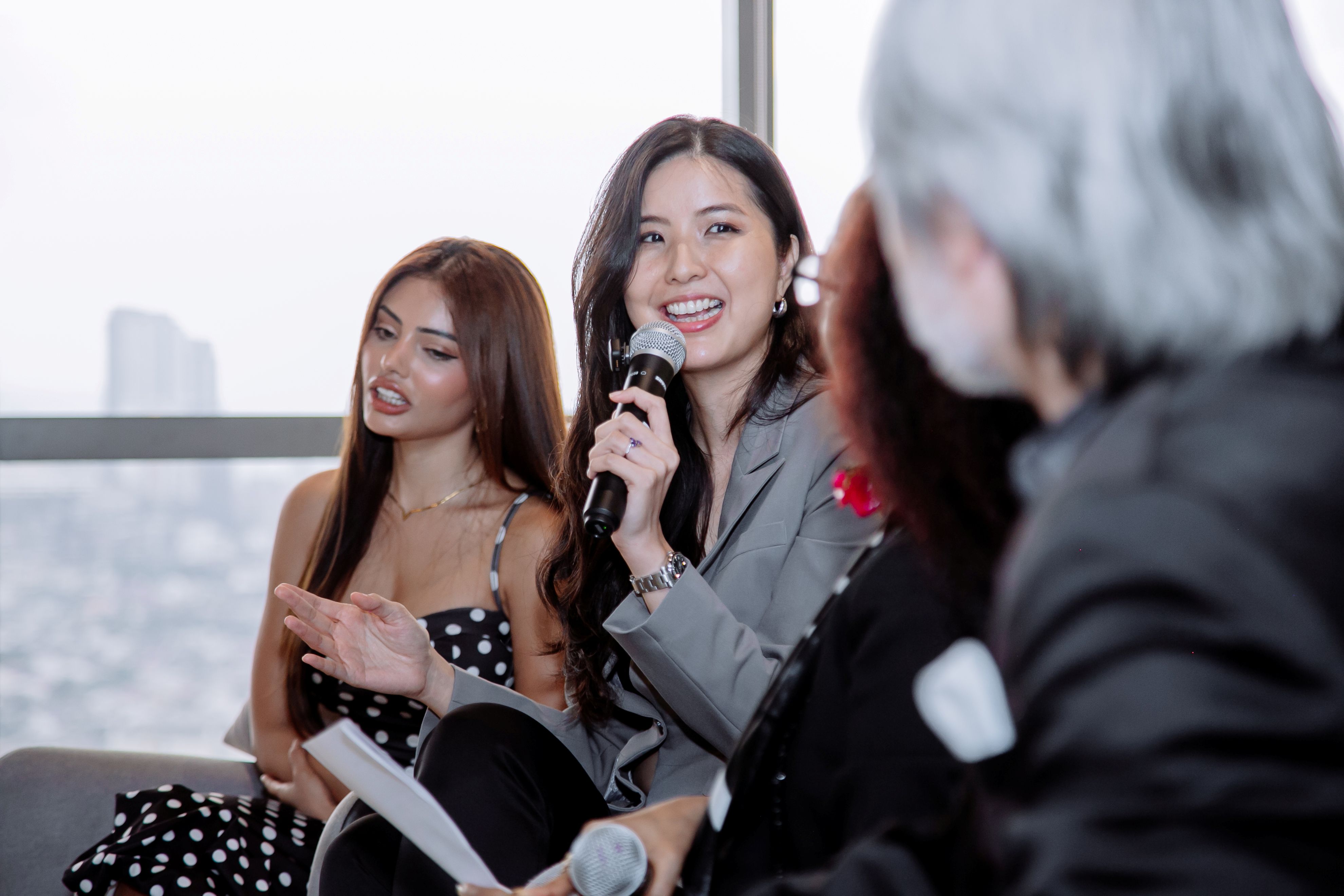
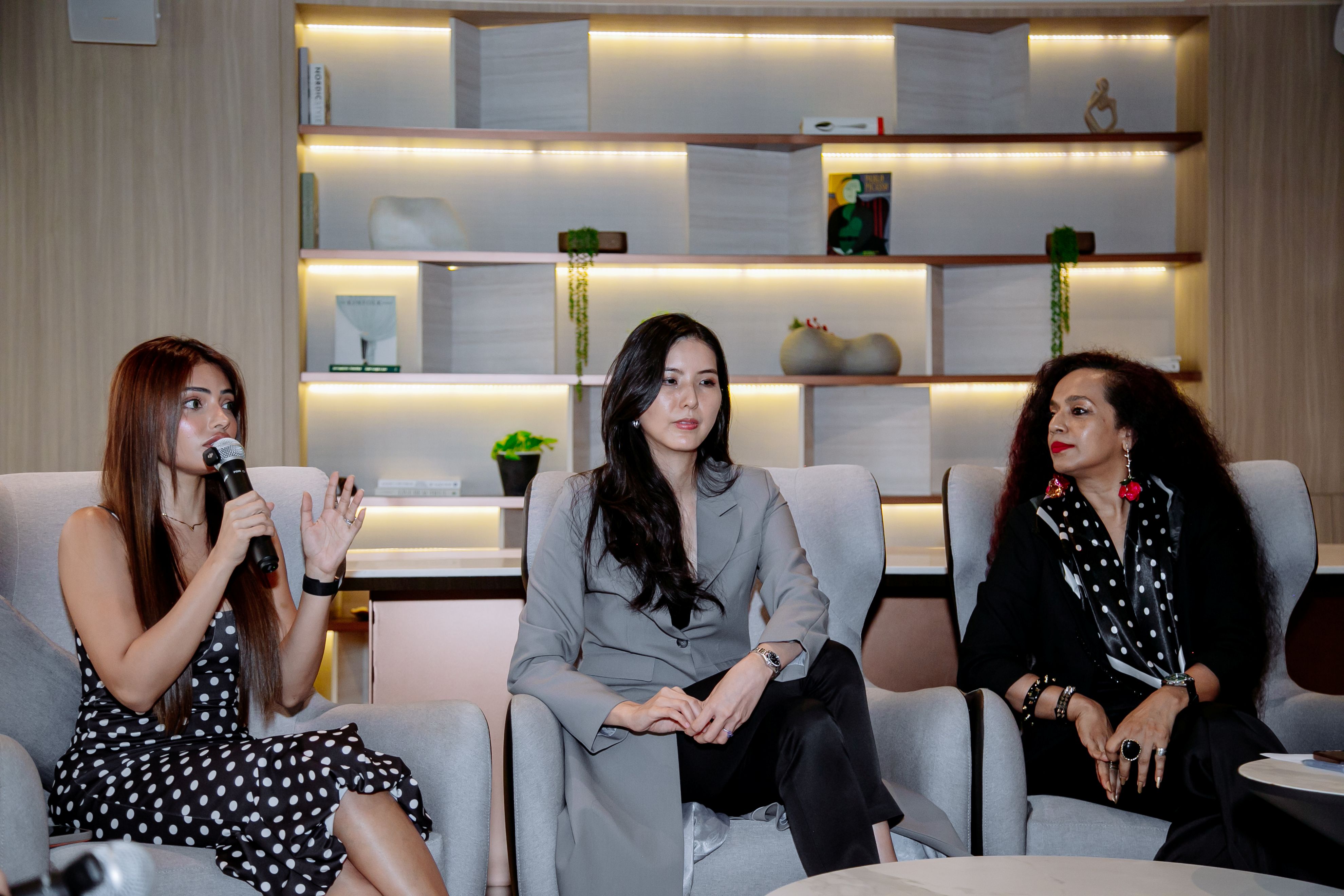
There are moments in media where a story stops being content — and starts becoming a conversation. What began as an article exploring a provocative question — “Is Beauty the New Cultural Currency?” — unexpectedly evolved into something much larger: a live public dialogue, a packed-room panel discussion, an exchange of lived experiences, and ultimately, a reflection of how deeply modern society is negotiating visibility, identity, and worth in the digital age.
And perhaps that is exactly what media should be doing today. Not merely reporting culture. But interrogating it. Provoking it. Shaping it. Leading audiences into deeper awareness of the systems quietly influencing how we live, perceive, consume, and connect.
The original article I wrote explored a growing societal truth: beauty today is no longer operating purely within the realms of aesthetics or vanity. It has evolved into social currency — influencing perception, opportunity, desirability, influence, and even digital relevance. In a hyper-visible era driven by algorithms, social media validation, aesthetics culture, filters, wellness economies, creator ecosystems, and performative lifestyles, visibility itself has become power. And beauty has become one of the ways that power is negotiated.
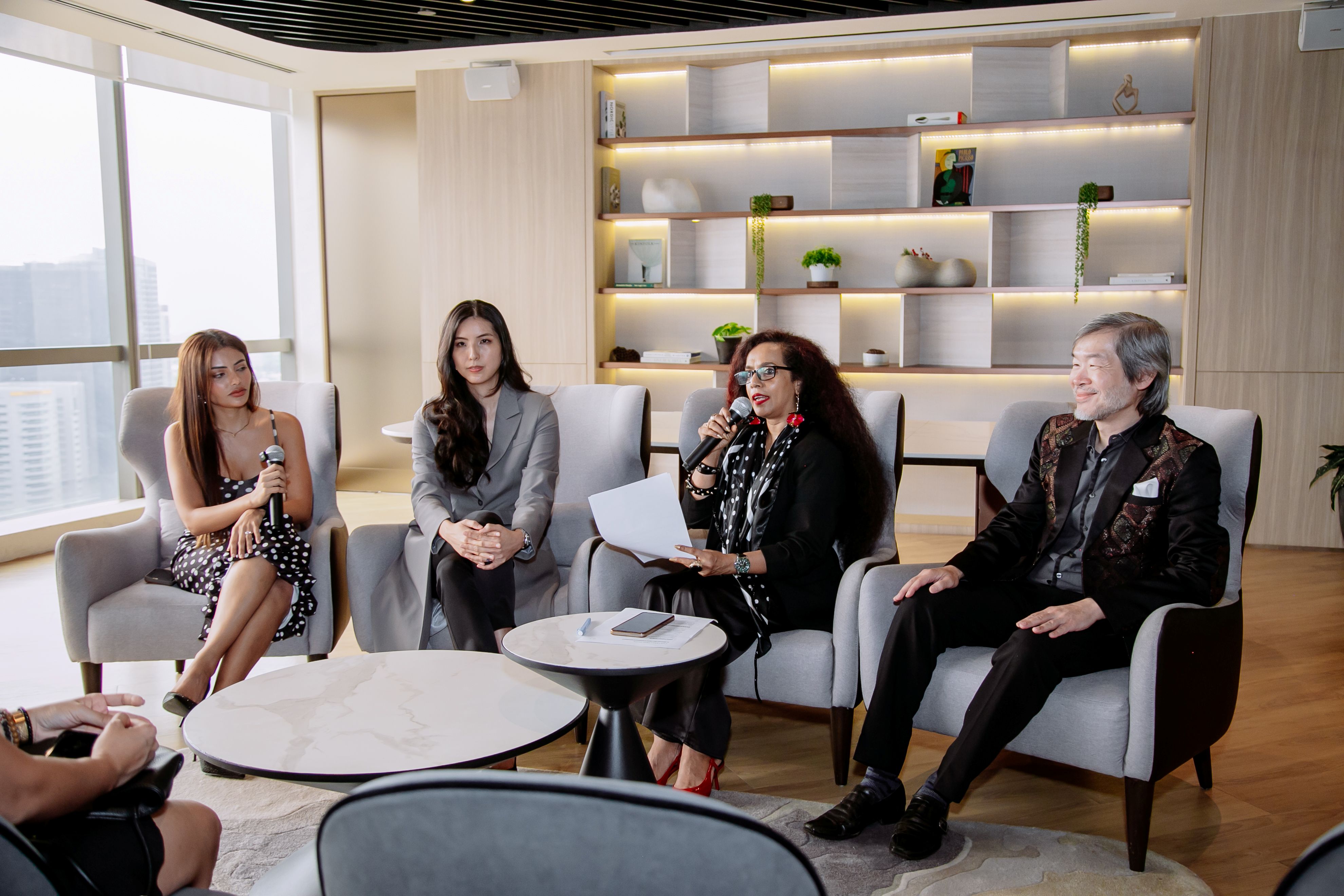
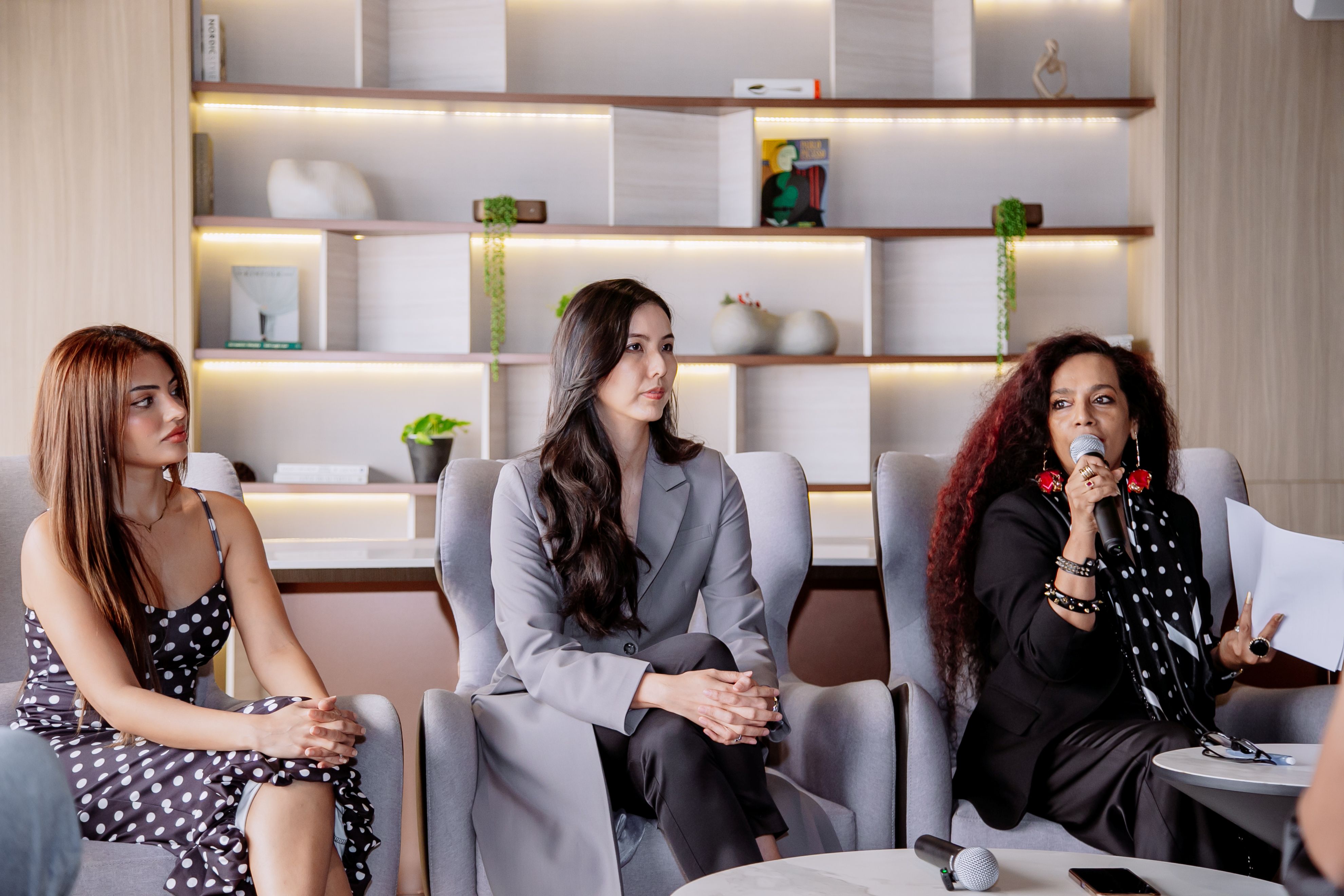
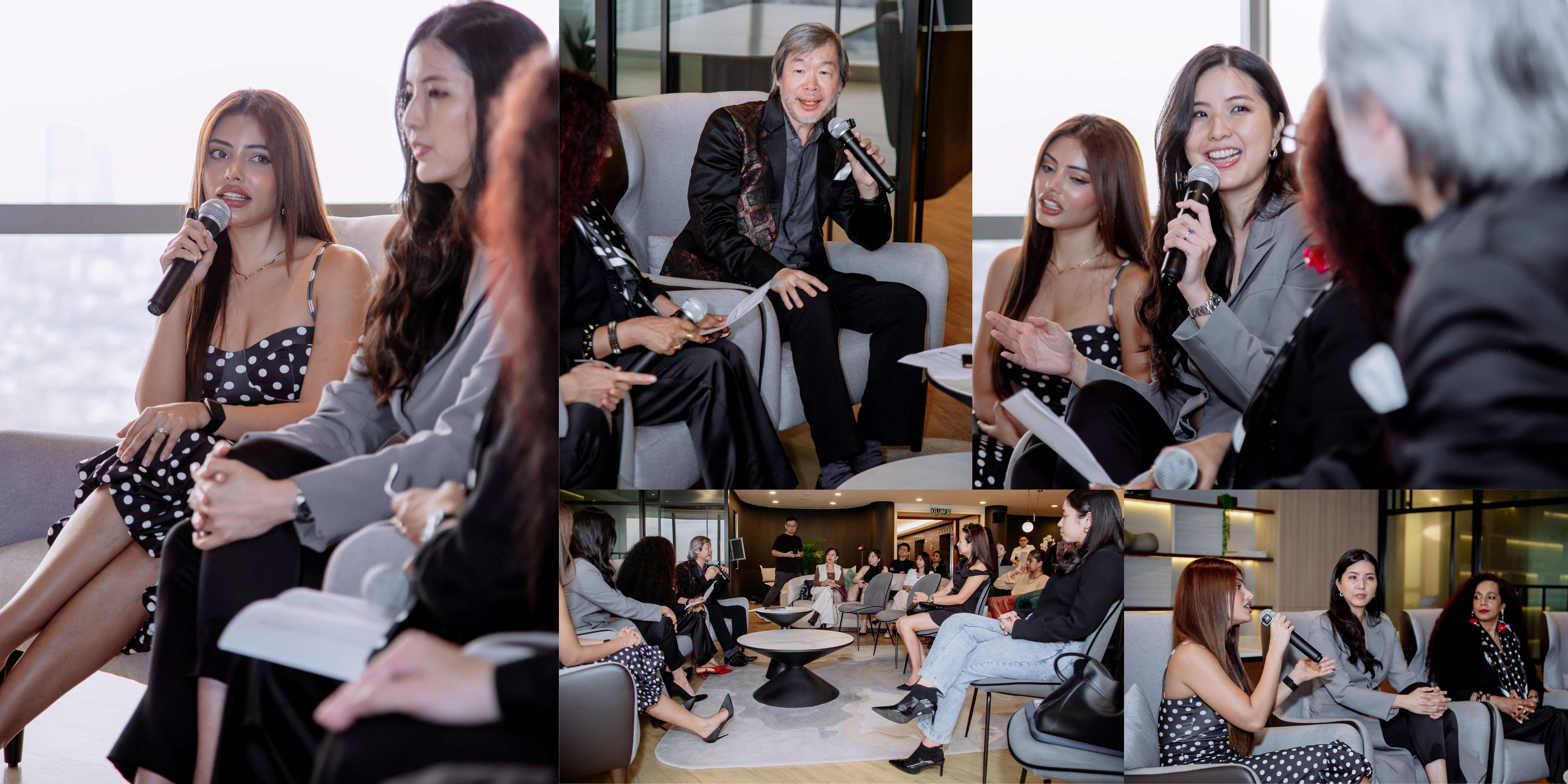
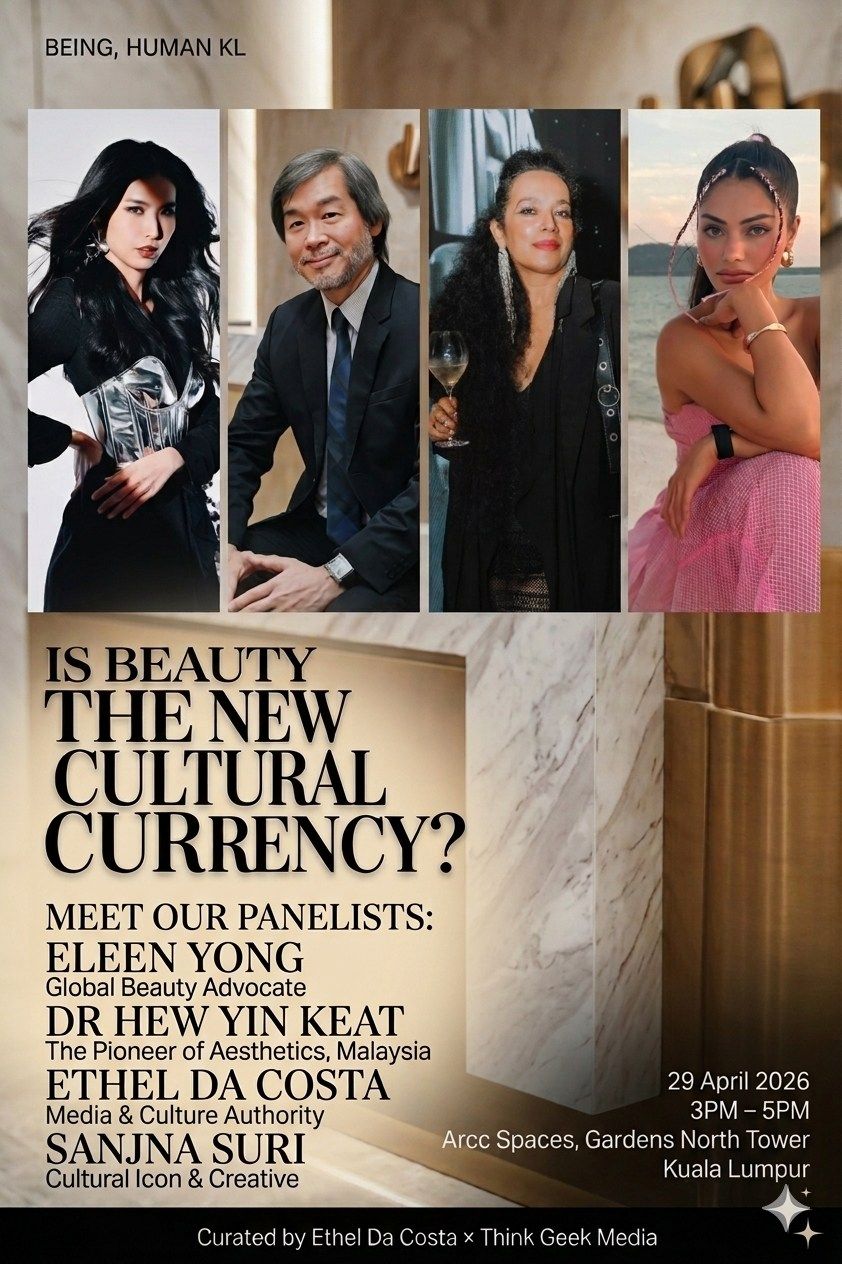
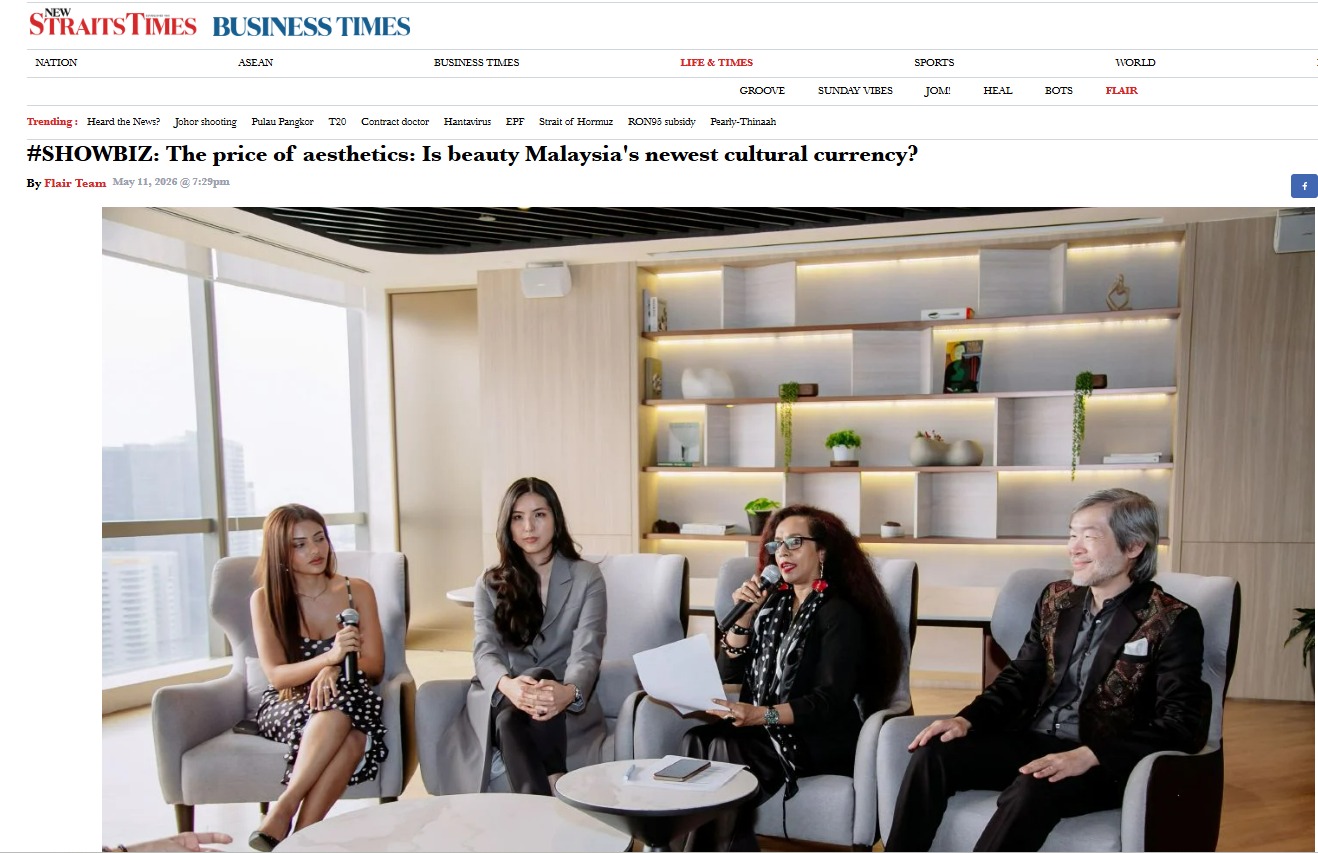
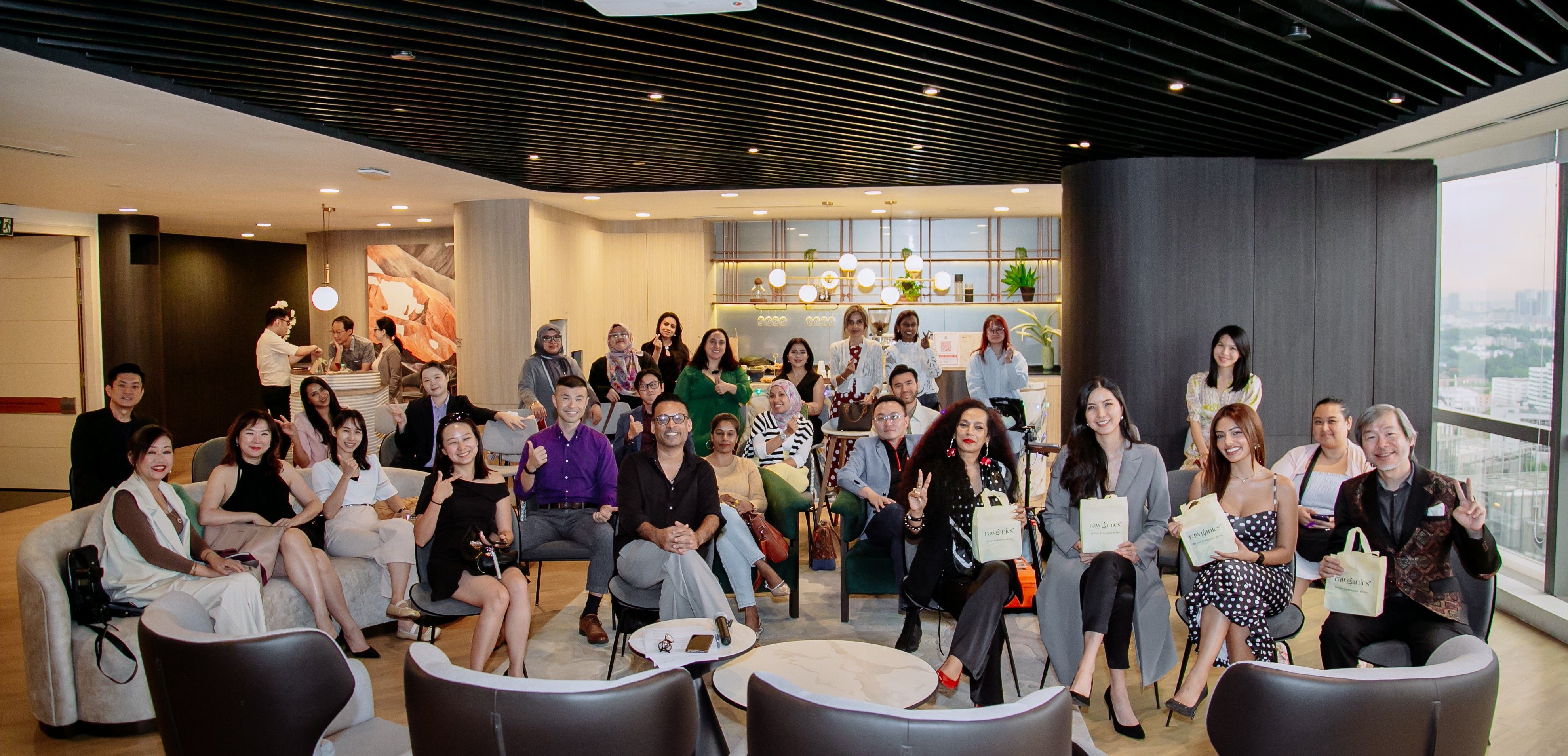
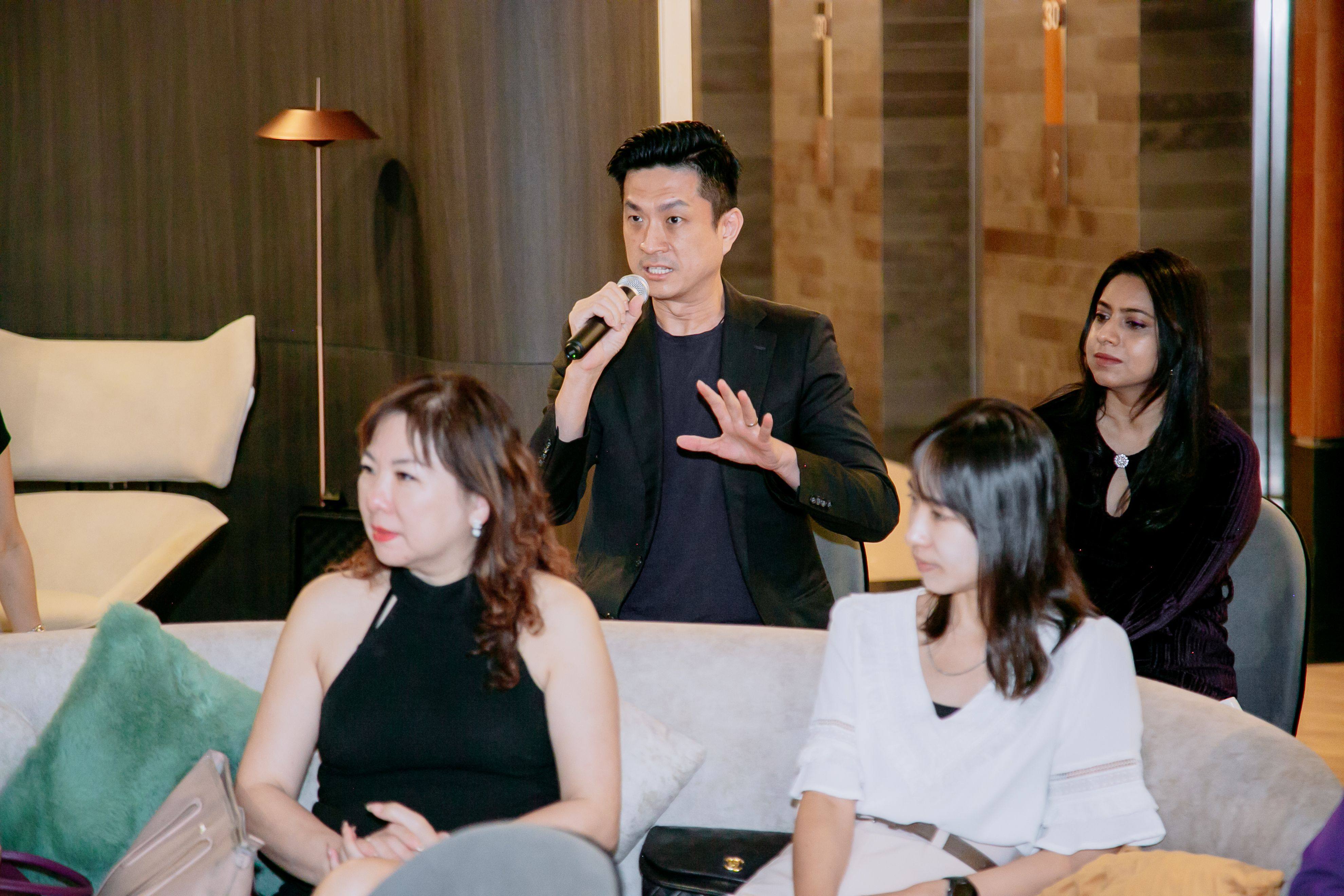
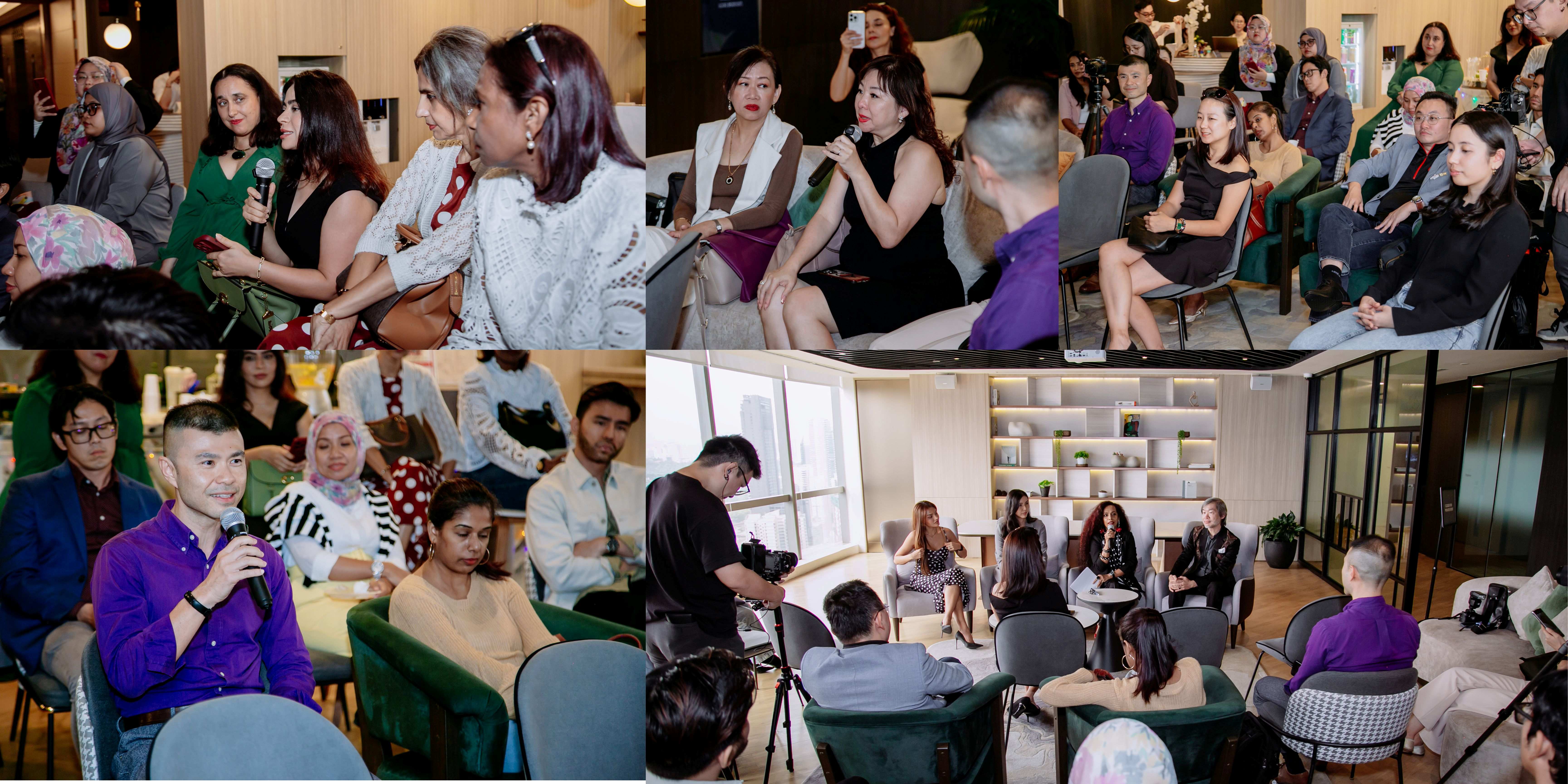
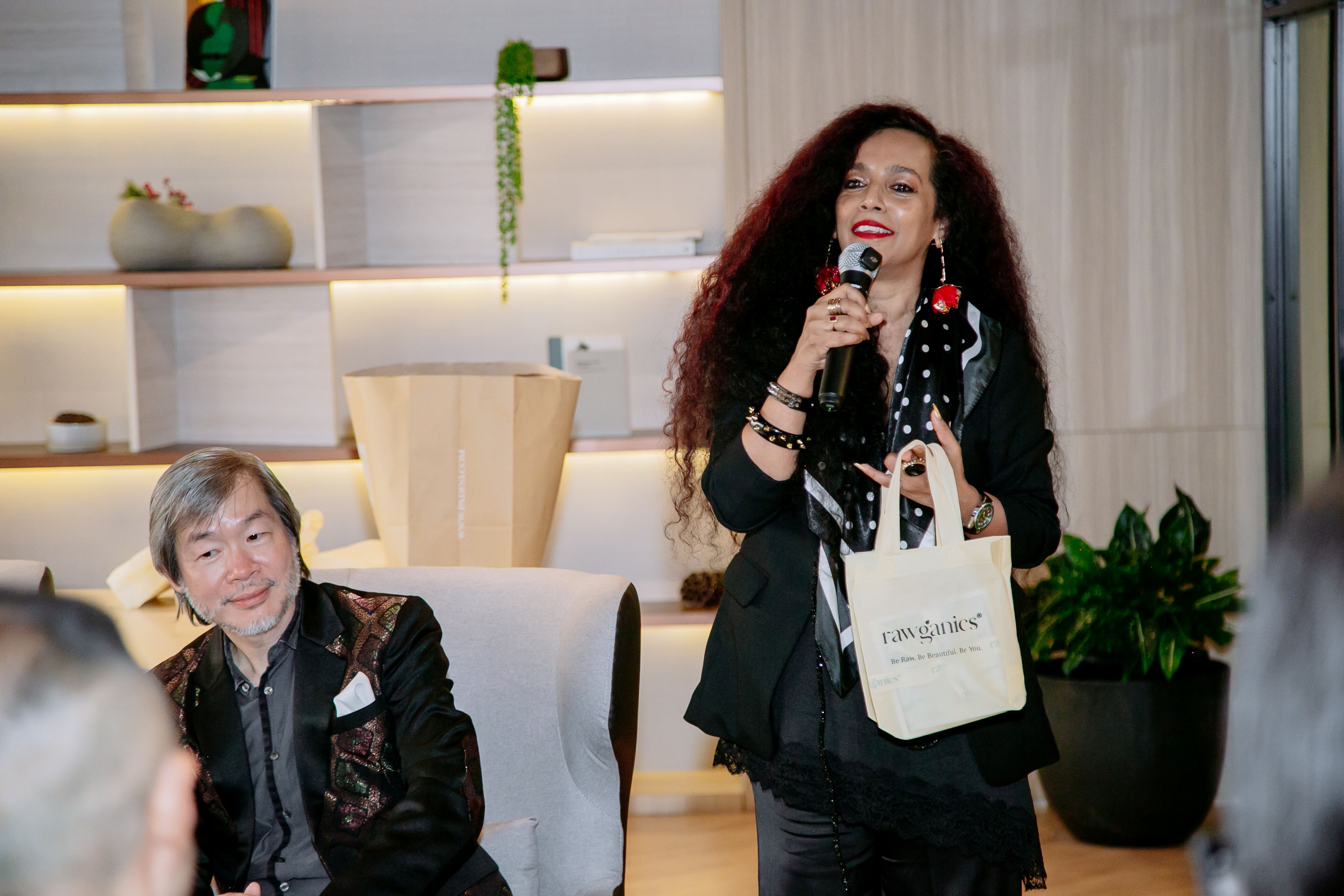
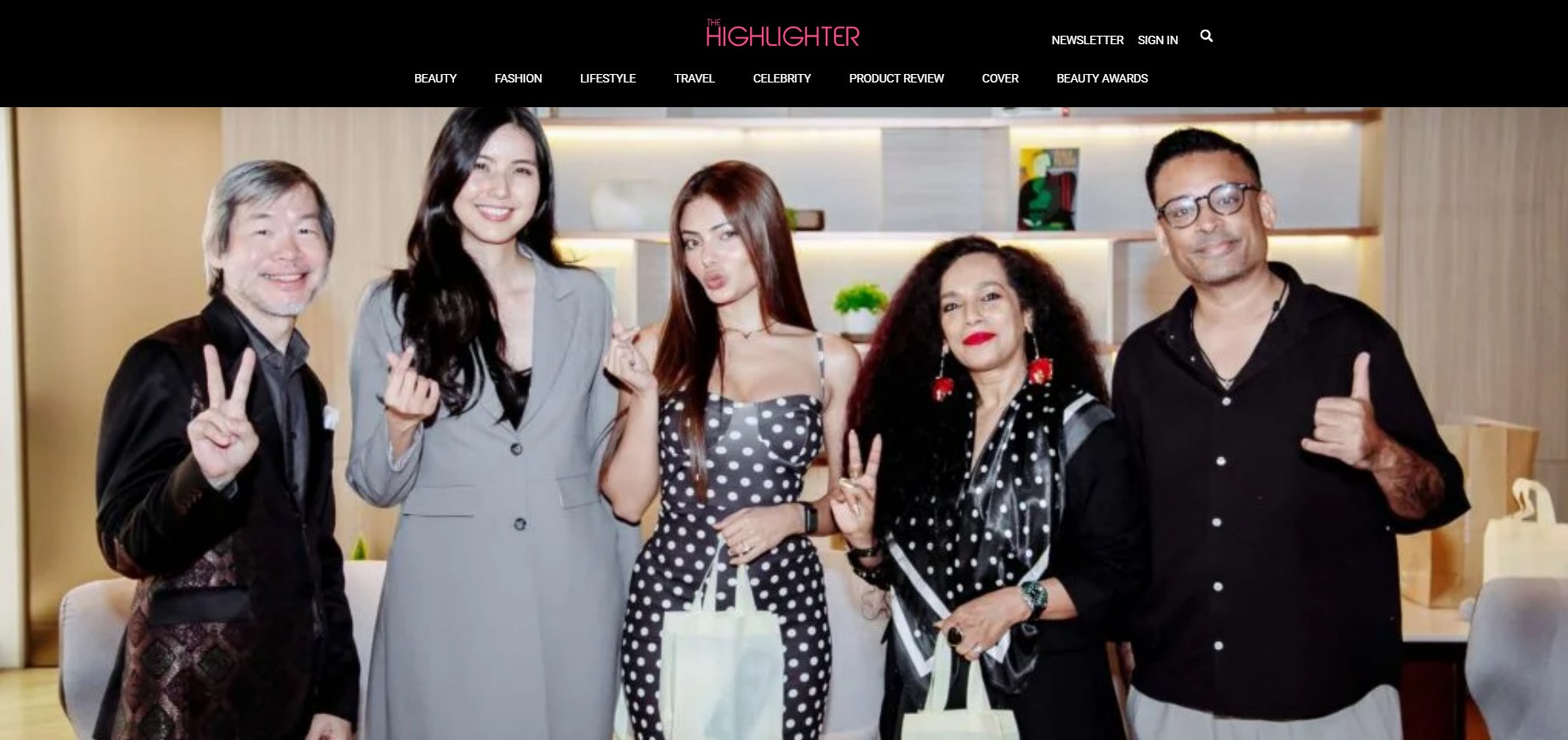
The response to the article revealed something important: people were not simply reacting to beauty as a topic. They were reacting to what beauty now represents emotionally, socially, economically, and psychologically. That response eventually led to Being, Human KL: Is Beauty the New Cultural Currency? — a live conversation curated by Think Geek Media in collaboration with Arcc Spaces.
The room was filled not because audiences wanted another beauty event. They came because they wanted honesty. The panel brought together different perspectives:
- media and visibility
- aesthetics and wellness
- confidence and identity
- public perception and self-worth
What emerged was not a polished PR narrative, but a raw and intelligent exchange about the pressures of modern visibility, the economics of appearance, social media conditioning, ageism, confidence, and the increasing tension between authenticity and performance. And this is where I believe modern media must evolve.
For decades, media largely functioned as an observer: reporting trends, documenting industries, covering personalities, publishing opinions. But audiences today are overwhelmed with information. Reporting alone is no longer enough.
The real value of media today lies in its ability to:
- contextualise culture
- identify emerging behavioural shifts
- provoke necessary conversations
- create community engagement
- bridge industries and audiences
- challenge collective assumptions
- and create spaces where dialogue can happen intelligently
Media must become participatory. Not in the sense of activism for the sake of noise — but in creating meaningful cultural frameworks through which society can better understand itself. Because the questions shaping modern life are no longer isolated. Beauty is connected to mental health.
Visibility is connected to economics. Social media is connected to identity. Wellness is connected to emotional survival. Technology is connected to self-worth. These intersections matter. And if media platforms fail to engage with them deeply, audiences will continue searching for meaning elsewhere — often in fragmented, algorithm-driven spaces lacking nuance, expertise, or responsibility.
MISSED THIS ARTICLE? READ IT HERE : https://etheldacosta.com/is-beauty-the-new-cultural-currency/
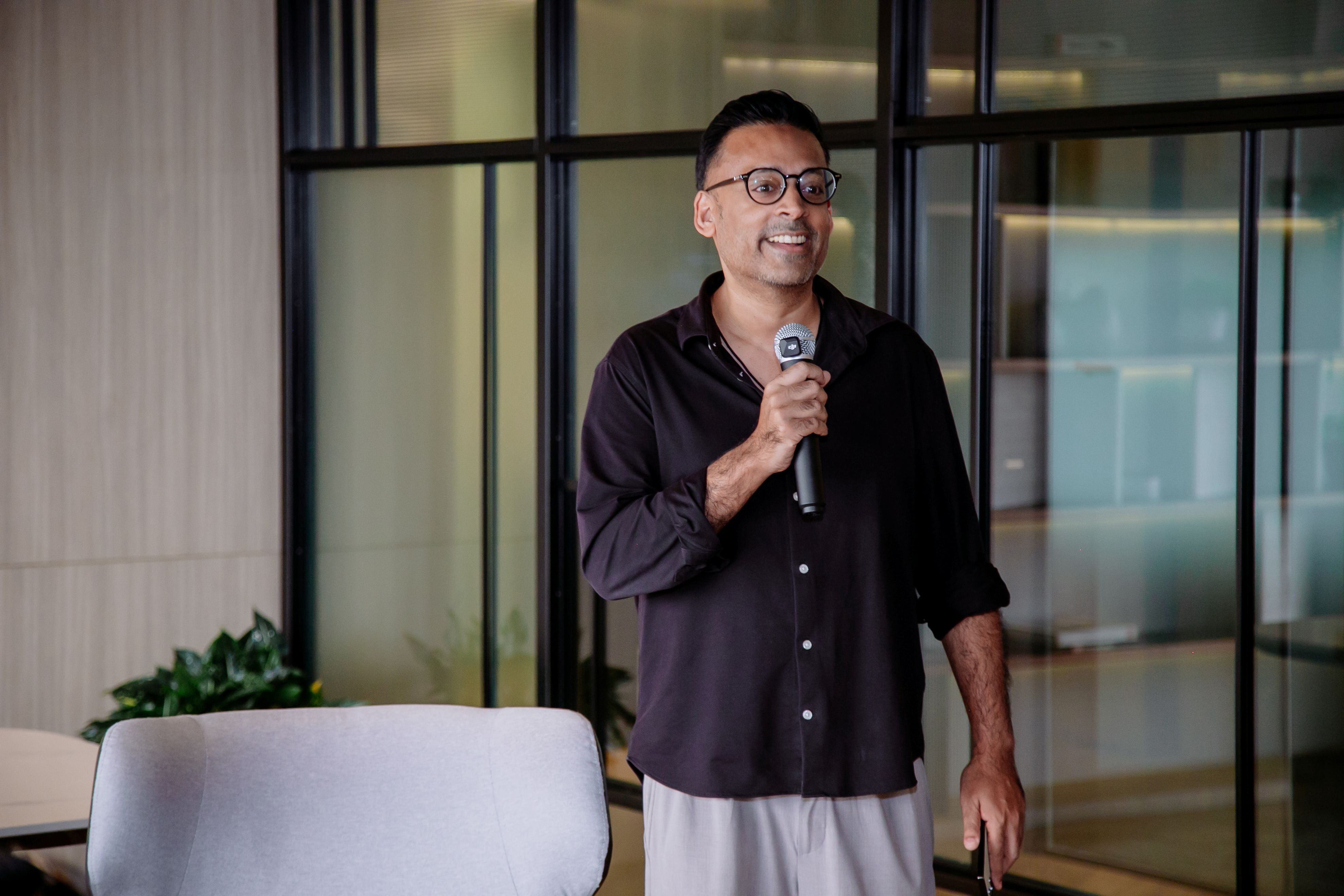
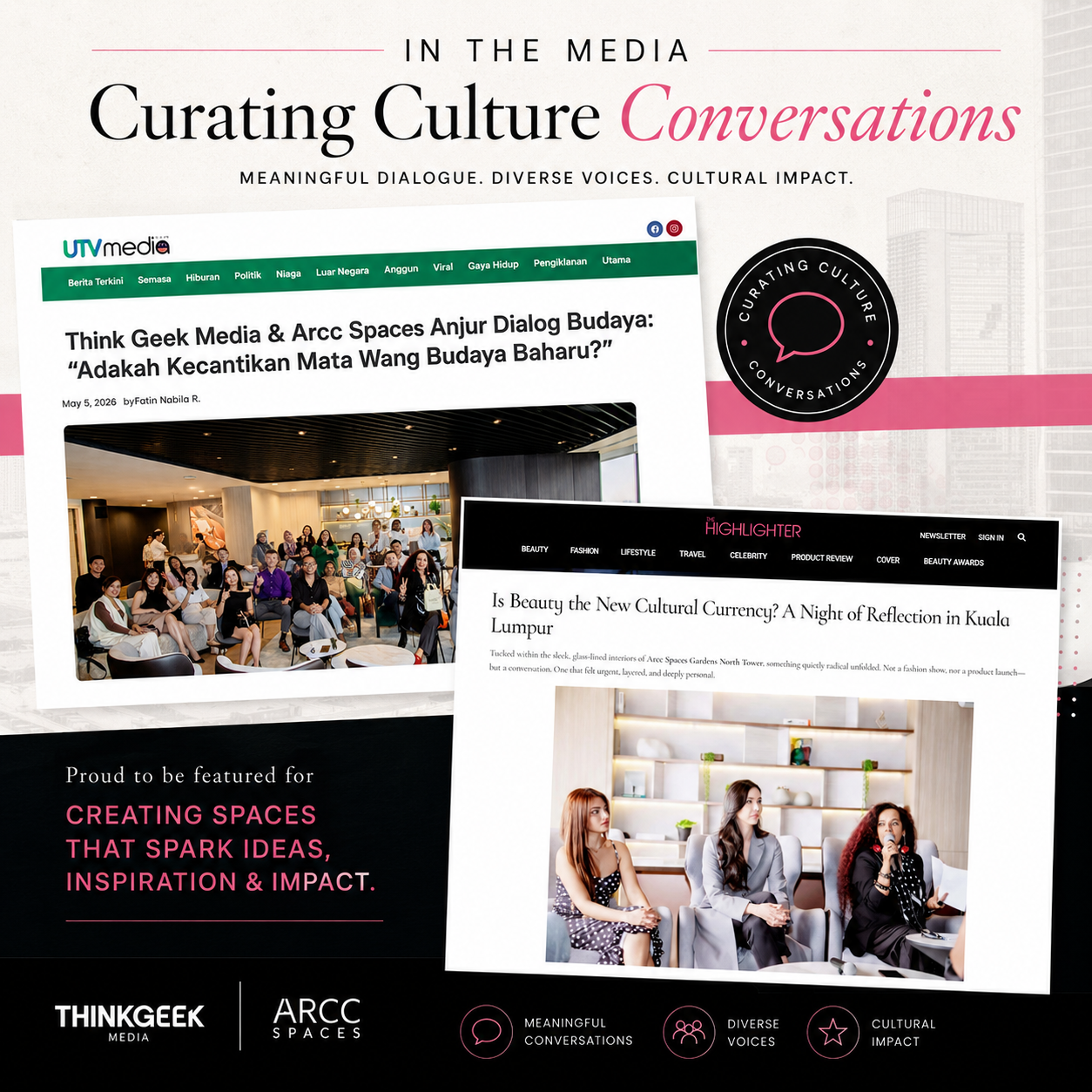
At Think Geek Media, this philosophy has quietly shaped our work for years across India, Dubai, and now Malaysia: to create media not merely as communication, but as cultural architecture. To build conversations that extend beyond campaigns and headlines. To create ecosystems where founders, creators, professionals, brands, experts, and communities can engage in ideas that actually affect modern living.
Because the future of media will not belong solely to those who publish the fastest. It will belong to those who:
- create trust
- understand human behaviour
- curate intelligent discourse
- and build communities around meaningful conversations
The success of Is Beauty the New Cultural Currency? reinforced something deeply important for me personally and professionally: People are hungry for conversations that feel human again. Not manufactured virality. Not performative outrage. Not empty inspiration. But spaces where complexity, honesty, vulnerability, intelligence, and cultural awareness can coexist. And perhaps that is where media’s greatest responsibility now lies. Not simply telling society what is happening. But helping society understand what it means.
Ethel Da Costa is an award-winning Lifestyle Journalist-Editor, Author, Media Personality, Founder & CEO of Think Geek Media shaping conversations in fashion, lifestyle, music, entertainment, and culture across Malaysia, India and beyond.
Email: etheldacosta@gmail.com | Instagram @etheldacosta